Why West Delhi Industrial Land is the Biggest 2026 Investment Opportunity
2026 is emerging as a pivotal year for long-term, asset-backed investments as the world's economies rebalance following years of turmoil. Stability, scalability, and actual economic significance are now more important to investors than short-term speculation. In this backdrop, infrastructure growth, policy impetus, and ongoing industrial demand are making commercial investment projects in West Delhi that are ready for the future. Industrial real estate is no longer a specialised market. It is increasingly a crucial part of strategic movement investment portfolios, particularly in rapidly expanding economies like India. Let's have a look at how the land use conversions are going to become the biggest investment opportunity in 2026.
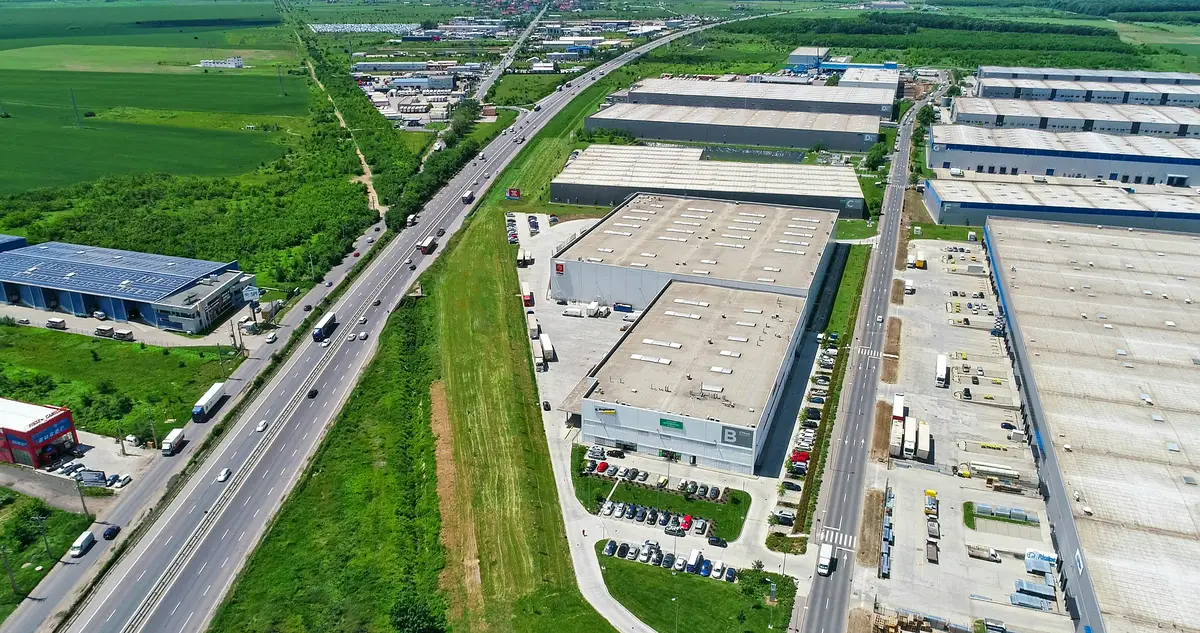
The Industrial Shift Defining 2026
Both domestic and international factors are causing a structural change in the industrial sector:
- Policy Push for Domestic Manufacturing: Governments are bolstering domestic manufacturing through incentives and governmental support. Small manufacturers in West Delhi are becoming more interested in taking advantage of government-sponsored incentives.
- Diversified Supply Chain Strategies: MNCs are implementing diversified supply networks to lower the risk of concentration. Businesses in the West Delhi area are investigating various sourcing and delivery options to reduce their reliance on a single hub.
- Infrastructure-Driven Industrial Growth: India's industrial corridors are changing due to infrastructure-led expansion. West Delhi's appeal as a support and logistics base is increasing due to improved access to developing industrial corridors.
- Rising Demand for Compliant Industrial Land: Compliant, well-connected industrial land is becoming more and more in demand. Demand for well-connected, legally clear industrial plots that adhere to contemporary regulations is rising in West Delhi.
Why Industrial Plots Stand Out as Investments
Industrial plots have a clear advantage over constructed assets and traditional land parcels because of their adaptability and potential for long-term value:
- Lower Initial Investment: It has a lower entry cost than established factories or warehouses. Industrial plots in West Delhi continue to provide very inexpensive access compared to completely constructed units in areas like Mundka or Bawana.
- Flexible Usage Options: It provides adaptability to build, lease, or hold, depending on market conditions due to West Delhi's diverse industrial zones.
- Strong End-User Demand: There is an increase in demand from end users, including manufacturers and logistics companies. Its proximity to important West Delhi transport corridors maintains it.
- Practical, Utility-Driven Value: These plots have stronger utility-based absorption and less conjecture. It is well-suited to West Delhi's industrial activity.
West Delhi as a Strategic Industrial Destination
West Delhi has established itself as a premier industrial and logistics hub by leveraging its strategic geographical advantages. The region benefits from exceptional connectivity to Haryana and the broader North Indian market, supported by its close proximity to the Delhi Metro network and vital transport corridors. This robust infrastructure, combined with competitively priced land, makes it a highly attractive destination for large-scale manufacturing and distribution operations.
- Unmatched Connectivity: West Delhi's connections to the KMP Expressway and NH-8 provides for efficient logistics throughout North India. Workforce mobility is made simple by metro connectivity via the Pink and Red Lines.
- Integrating Industrial Hubs: Manufacturing and trade are fuelled by well-known centres like Kirti Nagar and Naraina. New zones in Baprola, Ranikhera, and Kanjhawala support the high-tech sector and services.
- Close to Markets and Raw Materials: Haryana's proximity guarantees rapid access to raw supplies. Additionally, it links companies with the sizable NCR consumer market.
- Talent and Availability: It provides choices for industrial land at a comparatively low cost. Both expert and unskilled labour from Delhi and Haryana are readily available.
- Circle Rates in West Delhi: Circle rates in West Delhi continue to be lower than the average for the rest of Delhi for buyers and investors in the area.
Stability, Yield and Long-Term Appreciation
Industrial plots are becoming more widely acknowledged as reliable assets with steady performance traits:
- Stable Occupancy: These plots have lower vacancy risk once operating. Industrial plots in West Delhi enjoy steady demand because of well-established manufacturing and logistical clusters.
- Reliable Rental Yield: West Delhi's proximity to major transportation corridors supports its potential for long-term industrial leasing.
- Policy-Driven Growth: The industrial plots drive policy stability and infrastructure appreciation. As a result, West Delhi's industrial land values have increased.
- Resilient Asset Class: West Delhi's industrial assets continue to be less impacted by changes in the customer sentiment cycles. Industrial land demand is less erratic during market cycles than that of residential investment projects in West Delhi or commercial properties since it is based on manufacturing, storage, and distribution requirements.

ESG Alignment and Future Compliance
Decisions about industrial investments increasingly take sustainability into account. Both domestic and international occupiers now favour initiatives that are ESG (Environmental, Social, and Governance) orientated. Moreover, future-ready industrial plots include:
- Green Zoning & Buffer Planning: Designated green belts in West Delhi's industrial layouts assist in lessening the impact of pollution in congested areas. Additionally, strategic barriers enhance air quality and increase the acceptance of developments by neighbouring residential clusters.
- Smart Water Management: Rainwater collection and effective drainage systems are becoming crucial due to water scarcity in several areas of West Delhi. These actions lessen reliance on municipal supplies and help industry remain resilient during monsoons.
- Energy-Efficient Infrastructure: Power-efficient designs are a significant economic benefit for industrial units due to West Delhi's increasing energy demand. Delhi's efforts to use less energy are also in line with solar integration and optimised layouts.
- Regulatory-Ready Development: West Delhi's industrial ventures have to adapt to changing environmental and compliance standards. Planning for the future guarantees easier approvals and prevents operational disruptions from policy changes.
Conclusion
Industrial plots are becoming essential for India's growth narrative, particularly for an area like Delhi NCR, and it is no longer a specialist investment. Investing in West Delhi real estate property is about establishing oneself within a quickly changing economic ecosystem rather than merely owning land. These properties offer long-term appreciation, steady leasing prospects, and strategic importance as industrial townships gain popularity and connectivity improves. Industrial plots offer investors in and around Delhi a resilient, forward-thinking investment that is in line with India's industrial aspirations and the region's growth trajectory.

