Sustainability has developed from a niche issue to a crucial competitive advantage in the real estate markets. It progressively influences long-term asset value and market perception in India's expanding real estate sector.
Developers, contractors, and building experts support environmental objectives by implementing sustainable methods into their dream projects. These developments help high-end purchasers looking for comfortable, effective, and future-ready living spaces to live in a contemporary setting.
Measurable advantages of green buildings include lower energy and water use as well as improved interior air quality. Operating costs are reduced because of these benefits, making sustainability a profitable investment.
However, because of increased upfront costs, complicated regulations, and possible project delays, many stakeholders still see sustainability as a financial burden, particularly in price-sensitive and competitive real estate markets.
Data demonstrating that sustainable practices can increase revenue is causing this perspective to change. Efficient design, optimised materials, and lifecycle savings frequently outweigh initial expenses while improving project viability and returns.
Strategic approaches turn sustainability from a compromise into a non-negotiable factor. It positions forward-thinking companies as leaders in India's changing real estate sector by facilitating quicker approvals and providing access to new market segments.
Enjoy reading!
Sustainable real estate
Green buildings
Energy efficiency
ESG (Environmental, Social, Governance)
Urbanisation impact
Eco-friendly construction
Lifecycle cost savings
Green certifications (LEED)

Rapid urbanisation, rising environmental concerns, and changing consumer expectations have altered India's real estate sector at a critical turning point. As a result, developers' approaches to long-term sustainability, design, and materials are changing.
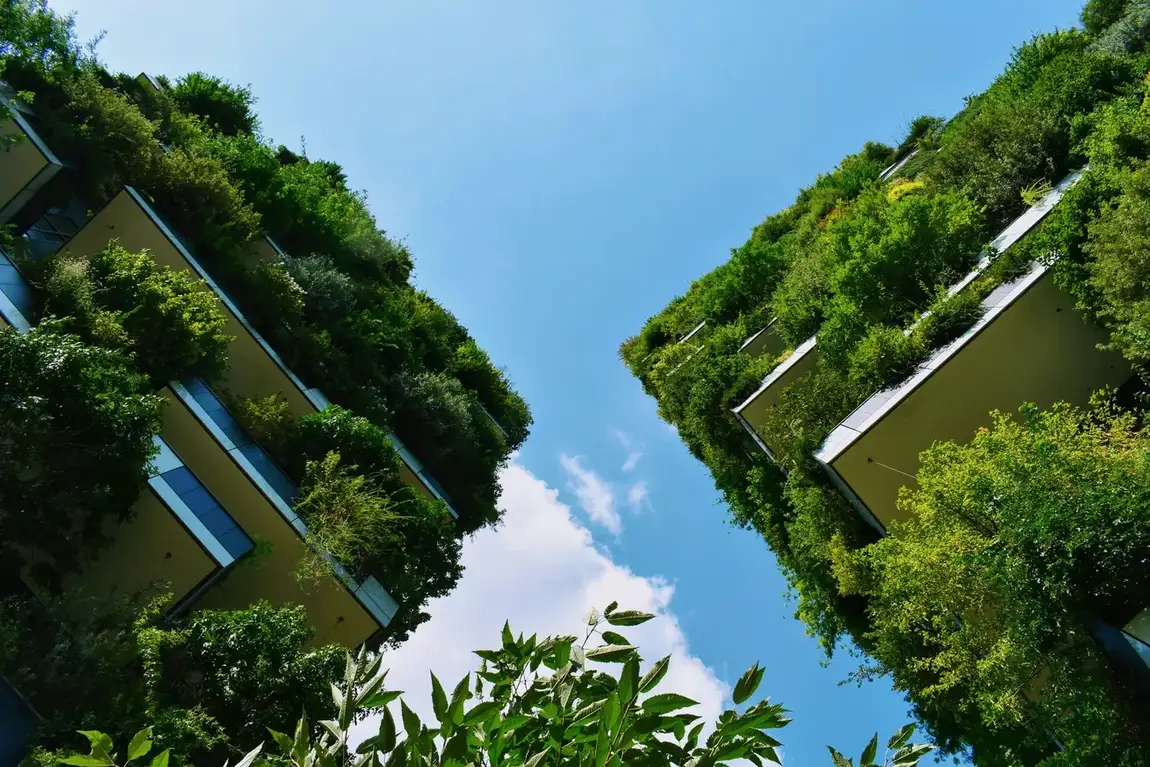
This change is being driven by major cities like Delhi, Mumbai, and Bangalore, which are seeing an increase in green building certifications and eco-friendly developments with an emphasis on water conservation, energy efficiency, and less environmental impact.
According to reports, green buildings get an 8-15% price increase in India's urban markets. This premium is gradually rising as consumers become aware of the advantages of sustainability, such as better health outcomes and long-term cost advantages.
Importantly, operational benefits from sustainable design - such as reduced energy and maintenance expenses - often offset by higher initial investments within five to seven years, making green buildings financially appealing to developers and end-users.
A growing number of contemporary homebuyers associate healthier living with sustainability. Urban families find eco-friendly homes more appealing because of features like natural ventilation, lighting, and non-toxic materials that enhance comfort.
They see long-term benefits as well. Green-certified homes frequently increase their resale value and maintain their competitiveness in an environmentally conscious market, while lowering energy and water costs reduces expenses.
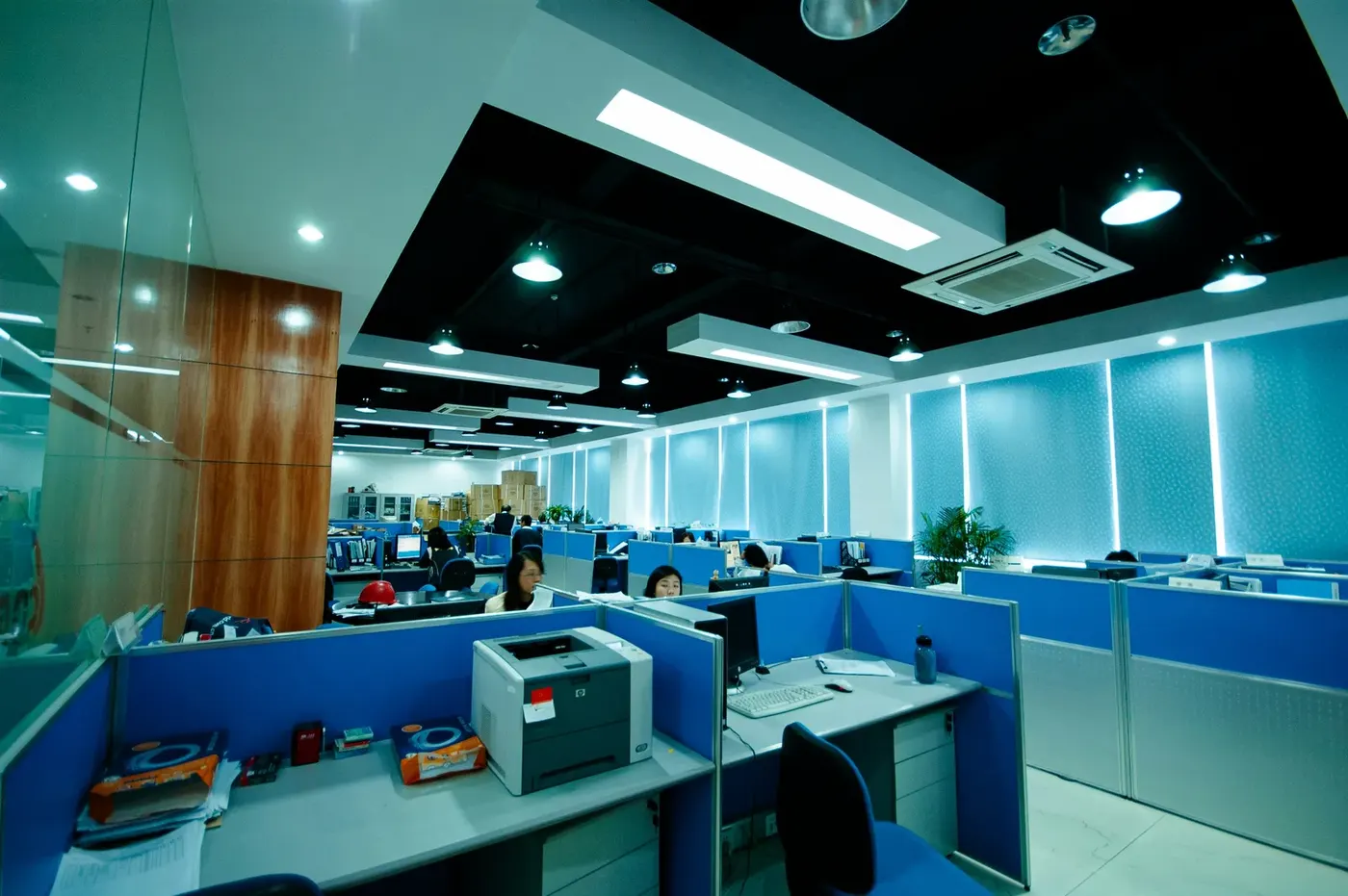
Sustainability is increasingly a top priority for corporate tenants through better air quality, water management, and energy efficiency. These components increase productivity, improve employee well-being, and lower total operating expenses.
Additionally, sustainable offices support ESG objectives and enhance brand perception. Obtaining green certifications and ECBC compliance gives clients, investors, and highly qualified experts a huge sigh of relief these days since sustainability brings more investment.
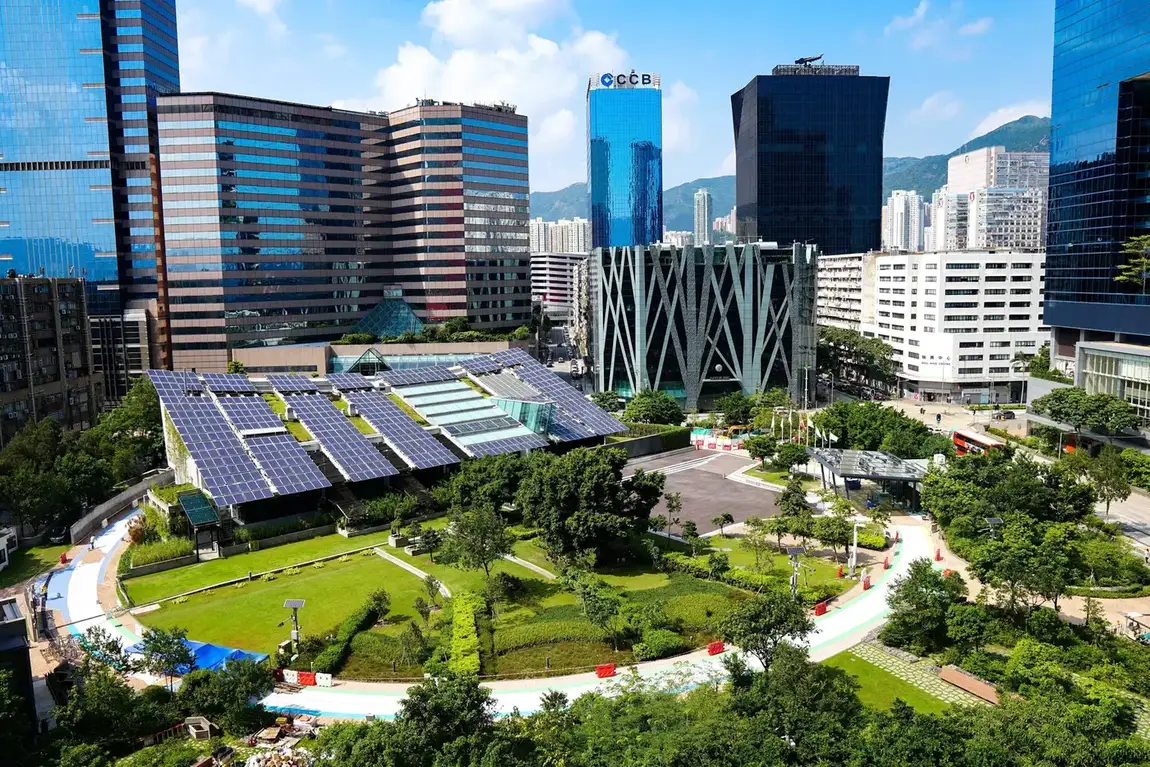
Sustainable buildings are both economically and environmentally advantageous since they Prioritise energy-efficient features like solar panels, cool roofs, and advanced windows that reduce carbon footprints and minimise operating costs for both owners and tenants.

Green building certifications and standards include LEED (Leadership in Energy and Environmental Design), where buildings are designed to adhere to specific requirements for water use, energy efficiency, and material sourcing.
Resource use is decreased by rainwater collection, water-saving devices, and effective landscaping. Sustainable development also places a strong emphasis on waste management that minimises ecological damage, promotes long-term growth, and ensures environmental protection.
Demand for sustainable real estate is being driven by investors' growing emphasis on ESG factors. Growing awareness of social responsibility, the environment, and long-term value development in real estate investments is reflected in this change.
The use of locally sourced and recycled materials in construction greatly reduces the carbon footprint, by lowering the need for substantial transit and raw resource extraction, thus conserving energy and minimising environmental impact.
Furthermore, sustainable construction techniques emphasise the use of non-toxic, environmentally friendly materials that enhance indoor air quality and promote better living and working environments while guaranteeing the long-term safety and well-being of homebuyers.
India's real estate sector is at a crossroads where growing urbanisation and environmental concerns collide. Infrastructure planning, design, and implementation are changing due to climate pressures, resource constraints, and changing legislation.
Sustainability is essential to long-term success and is no longer optional or symbolic. Developers and stakeholders must match economic plans with environmental priorities to remain compliant in a changing sector.
Today's forward-thinking professionals see sustainability as an opportunity rather than a constraint. Early adoption of green techniques can increase asset value, reduce costs, and make you more consumer-oriented with a consumer-first policy.
Developments in digital tools, smart building techniques, and energy-efficient materials are accelerating this change. These developments improve productivity, project schedules, and lifecycle performance while reducing their negative environmental impacts.
Investor expectations and legislation are also strengthening the rationale for sustainable development. Green projects appeal to purchasers and end users who care about the environment, meet ESG norms, and receive better financing.
The real question is not whether or not to adopt sustainability, but rather how soon it can be incorporated into fundamental strategies. Faster-moving developers will have a competitive edge and produce robust, future-ready developments.