ISSUE #20

Weekly
Newsletter

WHITE FLOWER
DEVELOPERS
24 August 2026

How to Evaluate the Building Quality of a New Residential Project

One of the largest investments in life is purchasing a home, therefore building quality is just as crucial as amenities, location, and design. Even an attractive property may have flaws that later become expensive issues.

A well-built home offers more than just being a beautiful place to live. It supports everyday comfort, long-term durability, structural safety, reduced maintenance needs, and maybe higher value when the property is resold.


But evaluating construction quality is not always easy for a buyer. Crucial components, such as the foundation, walls, concrete, waterproofing, fittings, structural design, and workmanship, often call for close inspection or expert assessment.

Buyers should be aware of what’s behind the surface rather than depending only on finishes, brochures, or a builder’s reputation. They can be found with a thorough inspection before warning signs appear.

Even seemingly little problems like wetness, cracks, hollow walls, poor drainage, or faulty fittings might point to more serious problems. Early inspection of these aspects can help avoid unplanned repairs and wasteful spending.

Therefore, having a better understanding of how to evaluate construction quality helps buyers make more informed choices. Every factor contributes to a home’s dependability, from analyzing structural principles to checking fixtures and finishing.

Enjoy reading!

Editorial team x

In this newsletter
you can expect:

Building Quality

Residential Project

Quality Construction

Quality Checks

Soil Quality

Concrete Quality

Paint Quality

Building Structure

What is Quality Construction?

Every project must adhere to established standards, client expectations, legal requirements, and environmental guidelines thanks to quality construction. It emphasizes on completing tasks within the authorized scope while preserving functionality, durability, safety, and consistency.

Clear procedures, standards, inspections, and roles are outlined in a well-thought-out construction quality management system. It assists teams in efficiently monitoring work, minimizing errors, resolving problems early, and maintaining consistency throughout the project lifecycle.

QA, or quality assurance, sets the procedures and requirements needed to reach the appropriate level of quality. It offers a methodical framework that directs project planning, execution, documentation, and continuous improvement.


The goal of quality control, or QC, is to examine and confirm the actual work against established standards. QA and QC work together to guarantee that quality is a top priority throughout the construction process.

Quality Checks Outside the Home

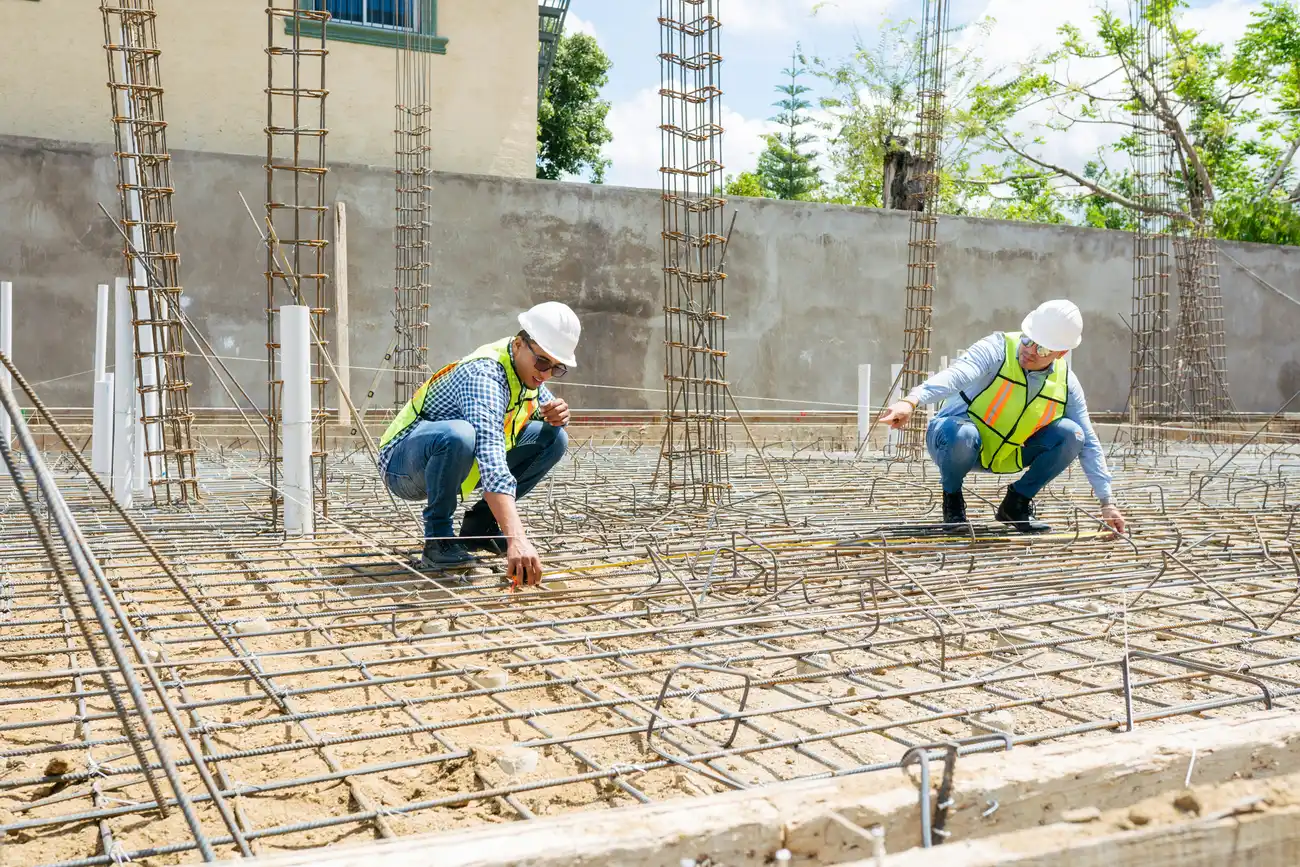
A building’s overall strength, longevity, safety, and craftsmanship are all reflected in its outside construction. Every component affects long-term performance, from the state of the land to the execution and finishing of the structure.

Buyers should evaluate the building’s construction, walls, finishes, and common areas to determine how well it was built and maintained. These specifics provide important information about the developer’s commitment to quality and construction standards.

Quality Checks Inside the
Home

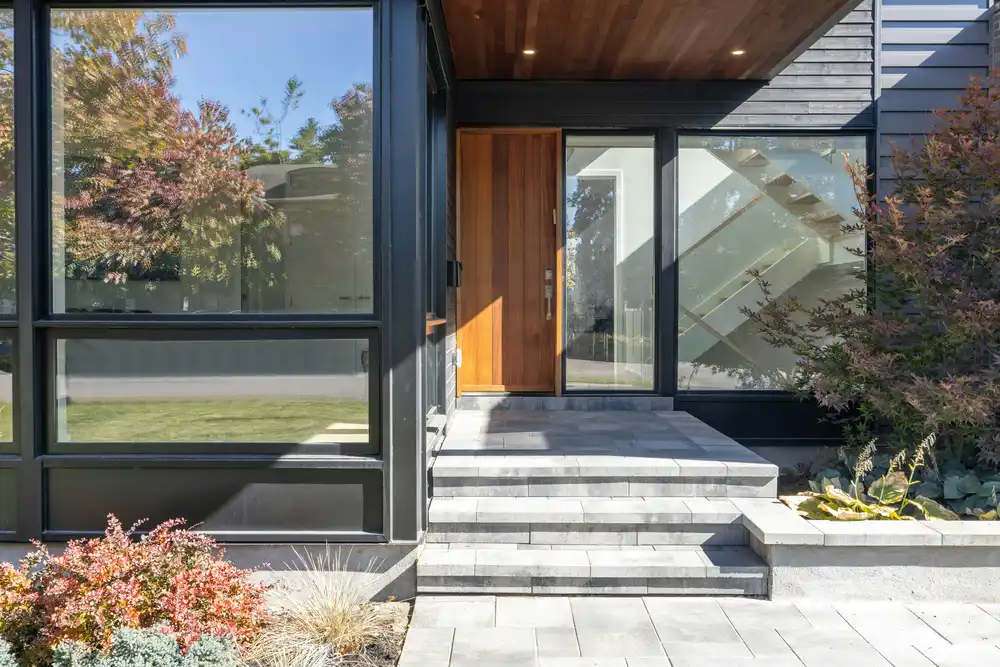
The finish, usability, longevity, and attention to detail throughout the living spaces are all indicators of high-quality construction within a home. Each surface, fixture, fitting, and installation should exhibit accurate and trustworthy workmanship.

A well-built home should have smooth finishes, dependable fixtures, adequate moisture protection, and efficient services. Long-term value and comfort are ensured by consistent work, high-quality materials, correct installation, and adherence to safety regulations.

Factors Behind the Building Quality

Examine the Soil Quality

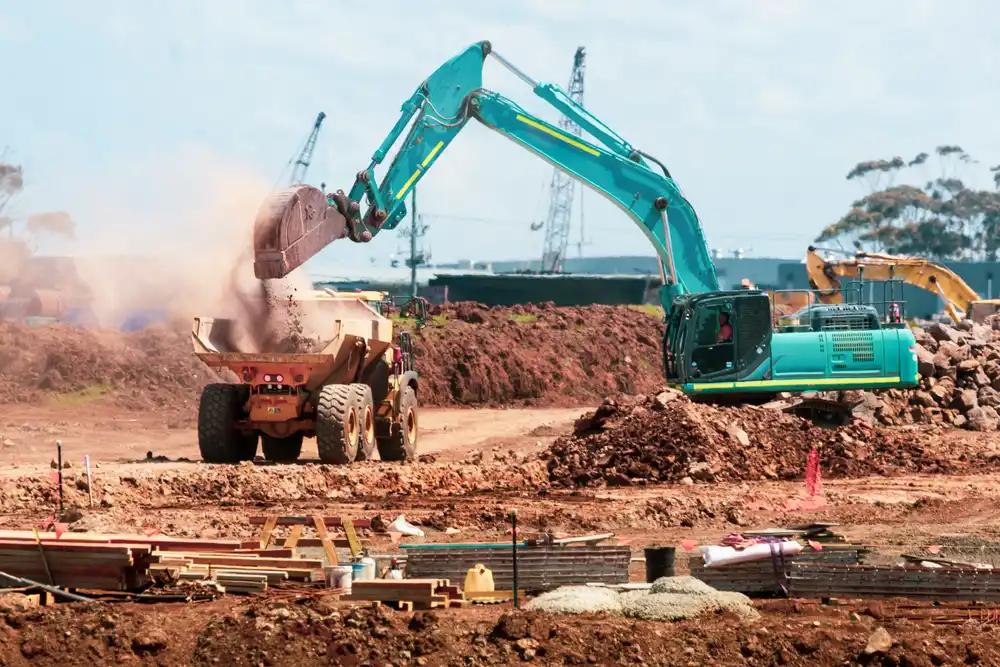
Check the soil before construction. Strong foundations and drainage are supported by loamy, sandy, or chalky soil, whereas clayey or black-cotton soil may eventually expand, contract, and weaken the foundation.

Check the Building’s Structure and Design

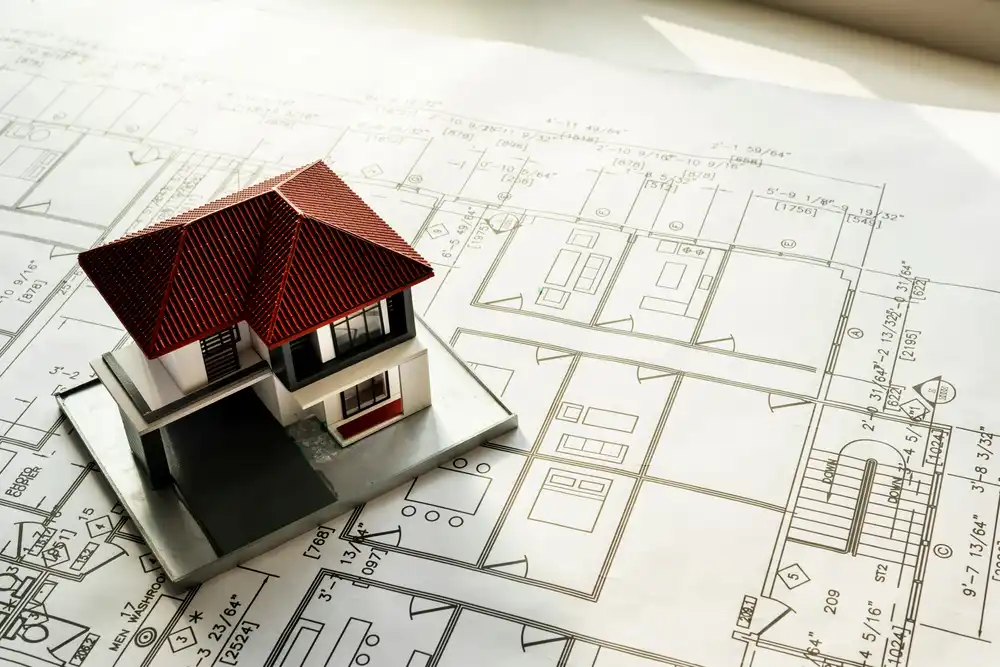
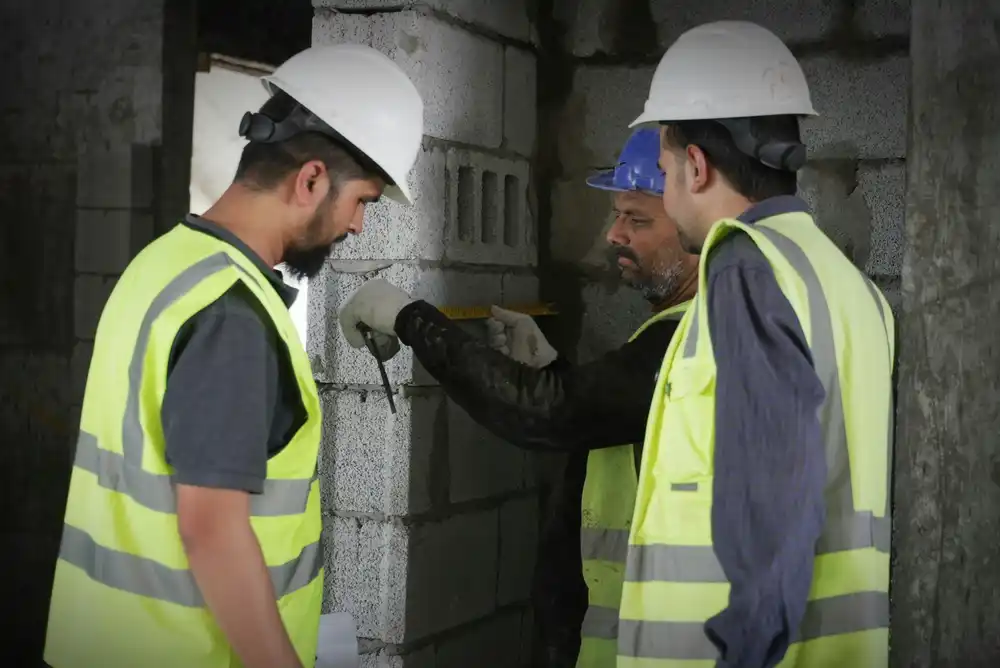
A buyer should have the building’s structural design examined by an expert to evaluate the building’s walls, beams, columns, safety measures, fire protection, and overall structural soundness.

Gauge the Concrete Quality

A structure’s endurance and strength are determined by the quality of its concrete. Check the proper concrete-to-sand ratio and obtain test results from the lab. The wall’s hardness can also be checked by tapping it.

Assess the Quality of the Paint

High-quality paint improves wall durability and enhances the look of your house. Always check the quality of the plaster before painting to guarantee a smooth finish, better adhesion, and long-lasting protection.

Examine the Fittings and Fixtures

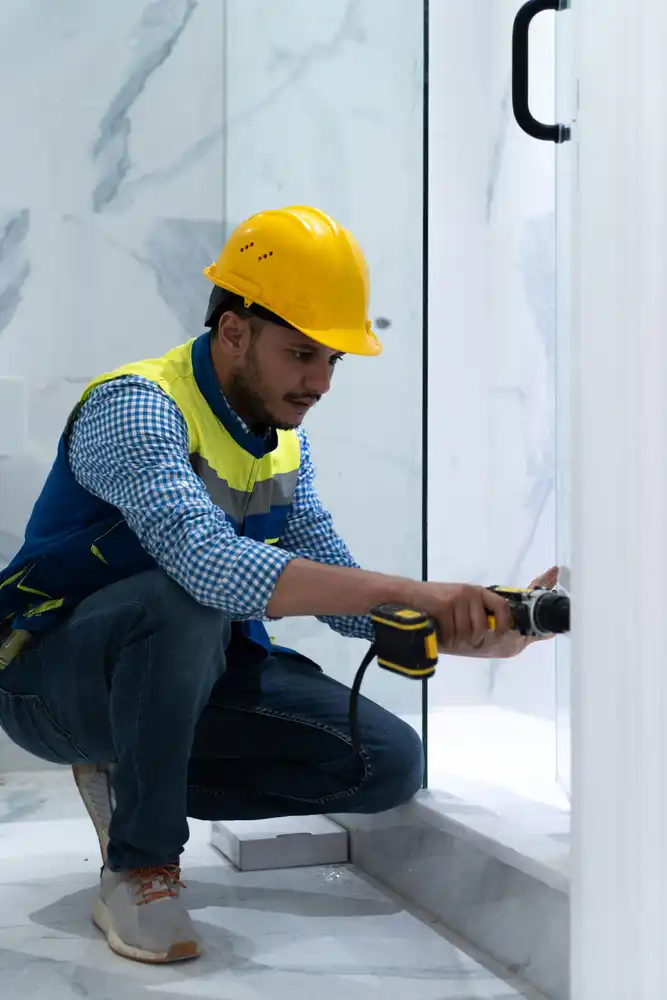
Examine all fixtures and fittings, including drainage pipes, showers, and bathroom faucets. Check that all fixtures are operating correctly and that the bathroom’s slope distributes water down the drain.

Test the exhaust system, taps, and sink in the kitchen. Additionally, check the air conditioning units, fans, lighting, and electrical connections if they are in good working condition. If necessary, check the BIS certification.

Building Confidence Through Quality Construction

In the end, evaluating the quality of a building involves seeing past aesthetically pleasing details and comprehending what actually supports a home. Every factor, from material standards to structural strength, affects long-term comfort, durability, and safety.

A thorough inspection might help avoid costly repairs down the road before buying or taking possession. Buyers can find issues that could otherwise go unnoticed by inspecting the walls, flooring, plumbing, electrical, and overall workmanship.

Examining the developer’s reputation, building methods, and material quality is equally crucial. Increased trust in the home’s overall building standards is often provided by a trustworthy builder and an open procedure.

Expert inspections can also provide valuable reassurance, particularly in cases when technical features are challenging to assess on one’s own. An expert can spot structural irregularities that need to be addressed before making final decisions.


A well-constructed home should function dependably for many years in addition to having an amazing appearance on the day of possession. High-quality construction guarantees improved safety, functionality, and peace of mind while safeguarding your investment.

Ultimately, taking the time to evaluate the quality of the construction is a useful step in choosing a property with confidence. A comprehensive assessment can now guarantee that your house will be safe, cozy, and valuable tomorrow.

Thank you for reading!
WHITE FLOWER DEVELOPERS
083000 00083
www.whiteflowerdevelopers.com
7/25A, Kirti Nagar Industrial Area, New Delhi
Whatsapp Icon CHAT
Instagram Facebook Linkedin Youtube