ISSUE #6

Weekly
Newsletter

WHITE FLOWER
DEVELOPERS
18 May 2026

Impact of Infrastructure Corridors on Property Values

Infrastructure has always been the guiding principle in real estate. It subtly creates the groundwork for future expansion and value, even before a micro market becomes well-known.

Infrastructure starts to shape an area's direction and implies long-term promise ahead of evident demand, even before we pitch high-end developments or investors refer to a region as the next growth corridor.

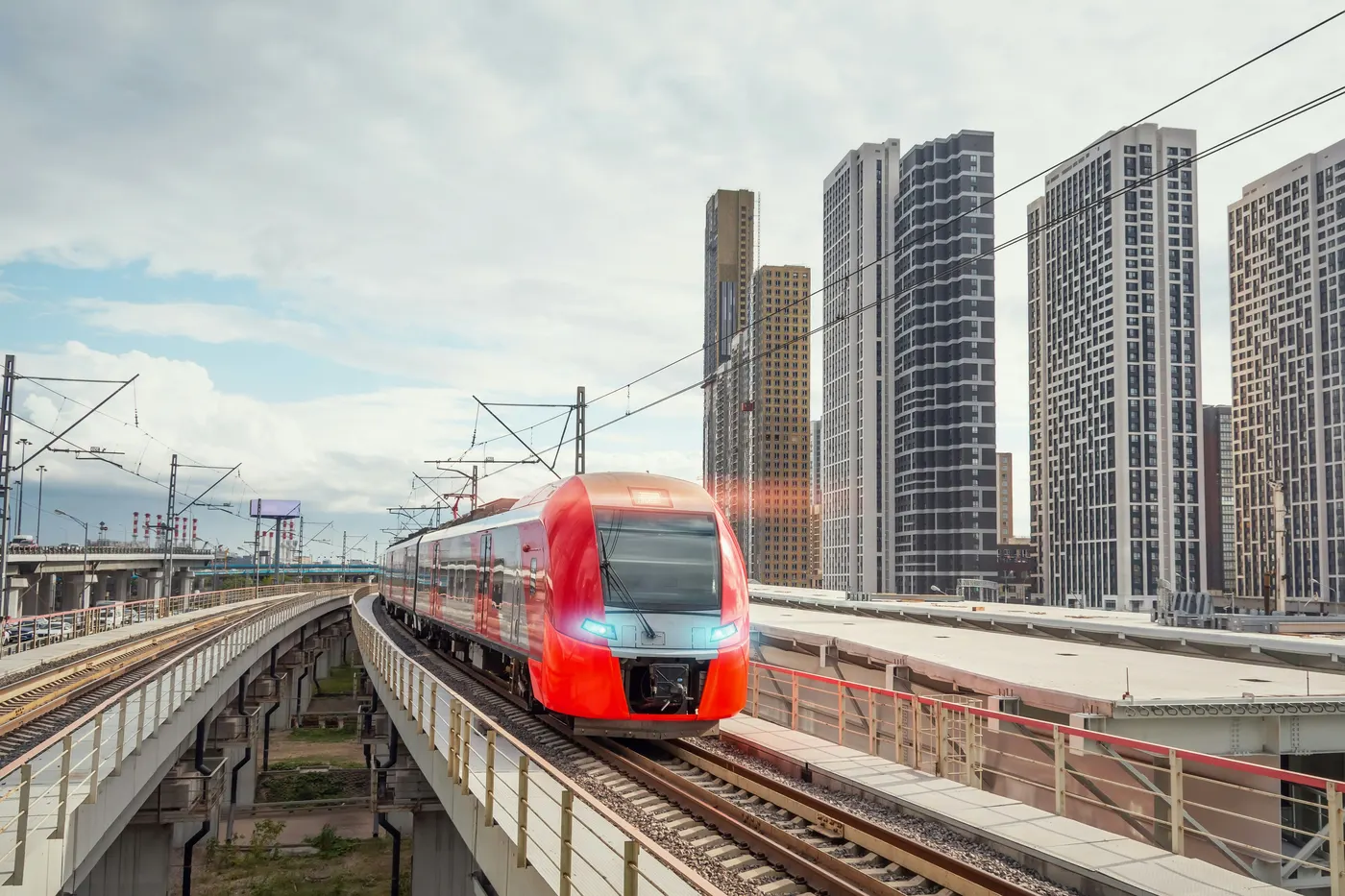
Physical and strategic changes are the first indications. Metro lines get approved, roads are widened, connectivity gets improved, and new commercial areas start to emerge in the surrounding area.

These changes gradually alter people's perceptions. Previously, ordinary locations begin to attract interest as accessibility improves and the potential of better living conditions becomes more apparent.

This pattern has been replicated often in NCR. Infrastructure has fuelled the development of new residential and commercial hubs, as well as the surge in property prices from Gurugram to Noida.


Knowing this connection enables buyers to make more informed choices. Here, buyers will come to know how long-term real estate growth and property values are directly impacted by infrastructure development.

Enjoy reading!

Editorial team x

In this newsletter
you can expect:

Infrastructure Corridors

Property Value Appreciation

Real Estate Growth

Connectivity & Accessibility

Metro Rail Networks

Expressways & Highways

Investment Opportunities

Transit-Oriented Development

Why Infrastructure Drives Property Appreciation

Infrastructure has a significant impact on a location's long-term value and popularity. Well-developed public amenities, dependable transit systems, and efficient roadways provide accessibility and general convenience for residents and businesses.

Areas are more appealing for living and working when commuting times are shortened, and connectivity is improved. This growing appeal supports stable real estate development, which, in turn, boosts demand for residential and commercial space.

Numerous significant infrastructure projects in India aim to enhance urban mobility and connectivity. lessen traffic in growing cities. These projects seek to both improve everyday living standards and accommodate expanding populations.


Strong and steady infrastructure growth frequently leads to faster economic development in those areas. Better connectivity tends to draw retail centres, enterprises, and educational institutions, which speeds up demand for real estate and increases property values.

Investment Opportunities in Emerging Corridors

Infrastructure-led growth generates early investment possibilities. This is because property prices in emerging corridors stay lower before projects are finished and connectivity enhancements start to draw demand and drive price appreciation.

Metro-connected and highway-connected areas are becoming more appealing to investors looking for long-term real estate returns due to the country's fast infrastructural development in cities like Delhi, Ahmedabad, Pune, and Bengaluru.

End Users Take the Lead


The increase in end-user demand, which has replaced the speculative investor-led activity observed in previous stages throughout critical real estate corridors, is another crucial component of the current cycle.

Stable prices, increased occupancy, and demand motivated by long-term residential intent have resulted from this change. This has been bolstered by improved regulation, execution, and infrastructure delivery.

Effect of Various Infrastructure Corridors

Metro Rail Networks and Real Estate Growth

The construction and expansion of metro rail in major Indian cities like Delhi have increased demand for surrounding properties, making metro-linked real estate a major growth driver. This is because better connections and shorter travel times improve liveability.

Expressways and Highway Corridors

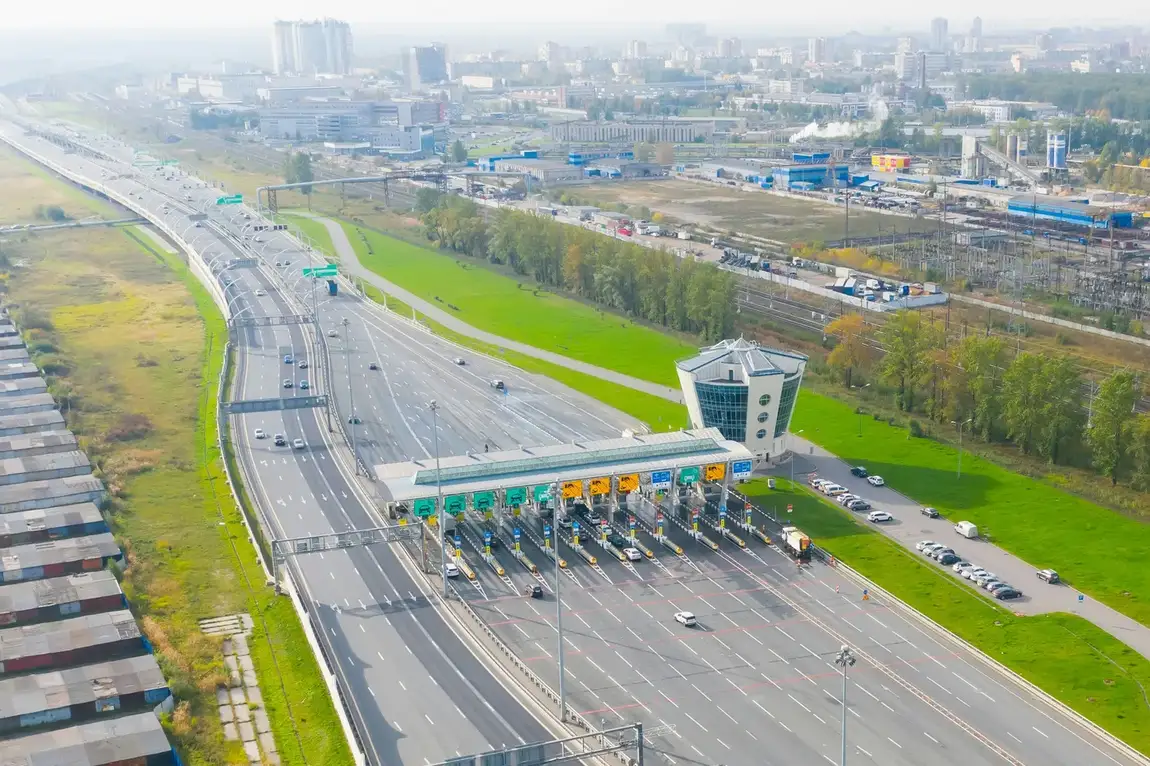
Highways and expressways like the Delhi-Mumbai Expressway are directly linked to the booming of real estate. It enhanced connectivity, cut travel times, and promoted the creation of new real estate corridors.

Commercial Infrastructure

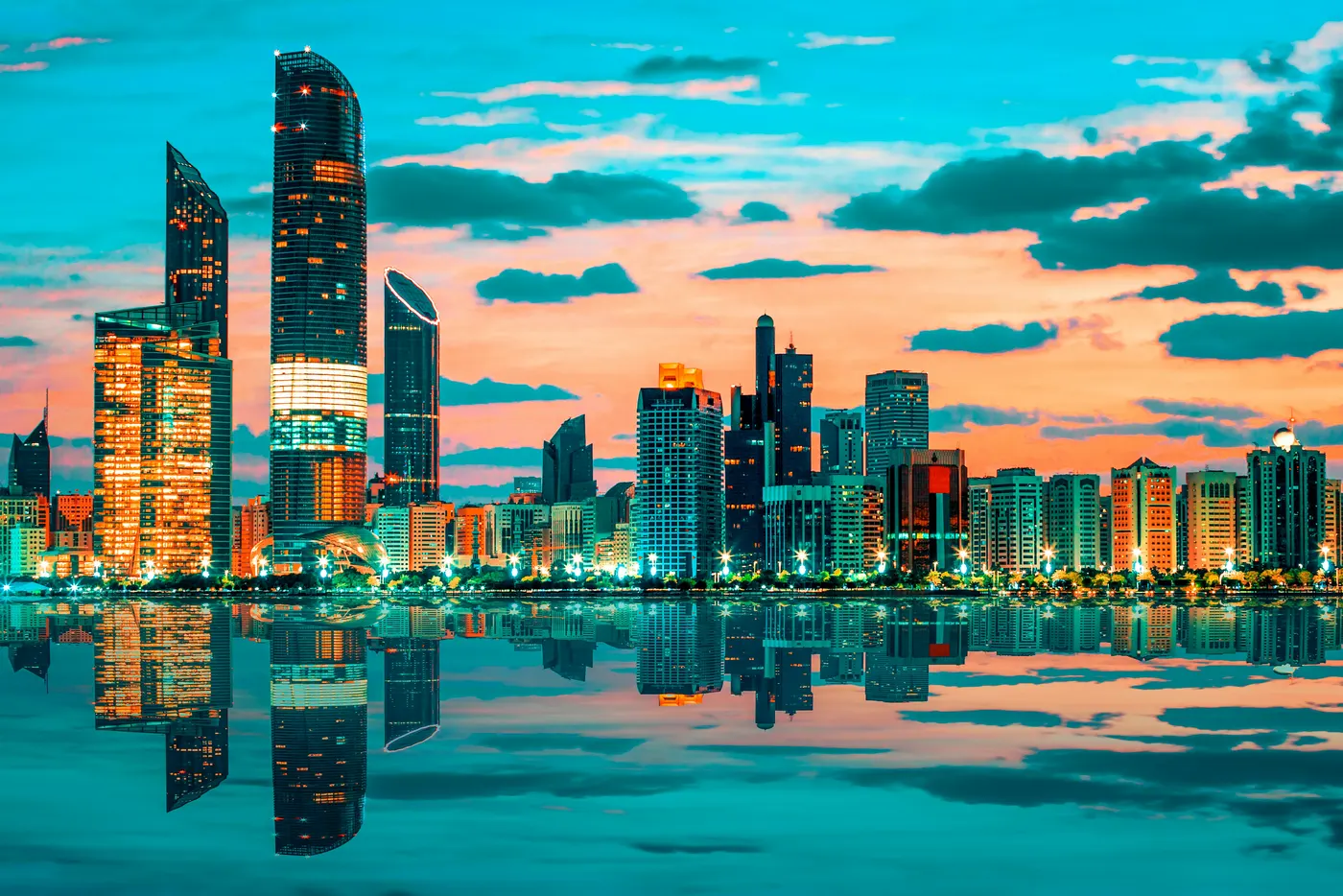
Infrastructure development in India is boosting commercial real estate. This is because connectivity draws businesses, raises demand for office space, and expands growth prospects in developing metropolitan corridors.

Urban Infrastructure


Transportation, housing, employment, and amenities are now all integrated into urban infrastructure. This results in self-sufficient communities where civic facilities and metro connectivity support steady demand and long-term residential desirability.

Transit-Oriented Development
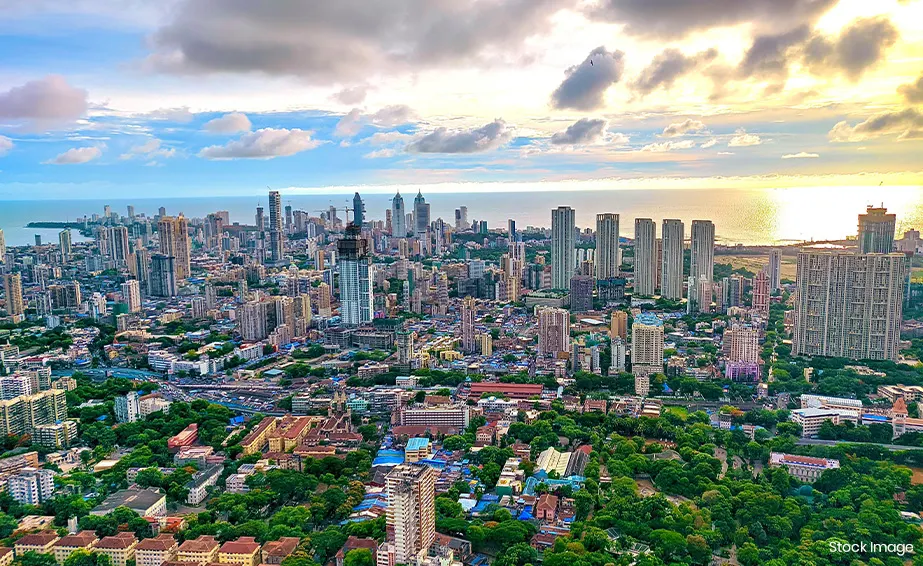
Transit-oriented development focuses on developing mixed-use neighbourhoods around transportation hubs like metro stations. This is done to create well-connected neighbourhoods that enhance accessibility, convenience, and general urban efficiency.

Buyers prefer homes with better connectivity, convenience, and a strong potential for long-term value appreciation. This is evident in the growing demand for properties near metro corridors.

Infrastructure Remains the Strongest Driver of Real Estate Growth

Infrastructure is much more durable than buildings, which can easily be replicated in real estate. It influences not only physical areas but also how cities develop, connect, and operate over time.


Airports link cities to international networks, increasing accessibility and economic potential, metro systems reinvent daily routines, and roadways shorten travel times and create new routes.

Well-planned business districts further accelerate expansion by drawing businesses, generating employment, and raising demand for residential and commercial projects in the surrounding neighbourhoods.

These infrastructural components work together to produce long-lasting benefits. They have an impact on entire ecosystems over time, making some places more appealing, useful, and economically robust.

Infrastructure tracking is crucial for long-term real estate investors. It frequently indicates areas where demand is expected to increase and where future increases in property values are anticipated.

Infrastructure will continue to be the primary engine of growth as cities grow more strategically, determining which areas prosper, where markets develop, and where wise investments are made.

Thank you for reading!
WHITE FLOWER DEVELOPERS
083000 00083
www.whiteflowerdevelopers.com
7/25A, Kirti Nagar Industrial Area, New Delhi
Whatsapp Icon CHAT
Instagram Facebook Linkedin Youtube