ISSUE #19

Weekly
Newsletter

WHITE FLOWER
DEVELOPERS
17 August 2026

Building for the Future: Construction Technologies That Will Define the Next Decade

A great period of transformation is about to start in the construction industry. Building design is changing as more intelligent technologies, environmental practices, innovative materials, and more effective techniques eventually replace traditional methods.


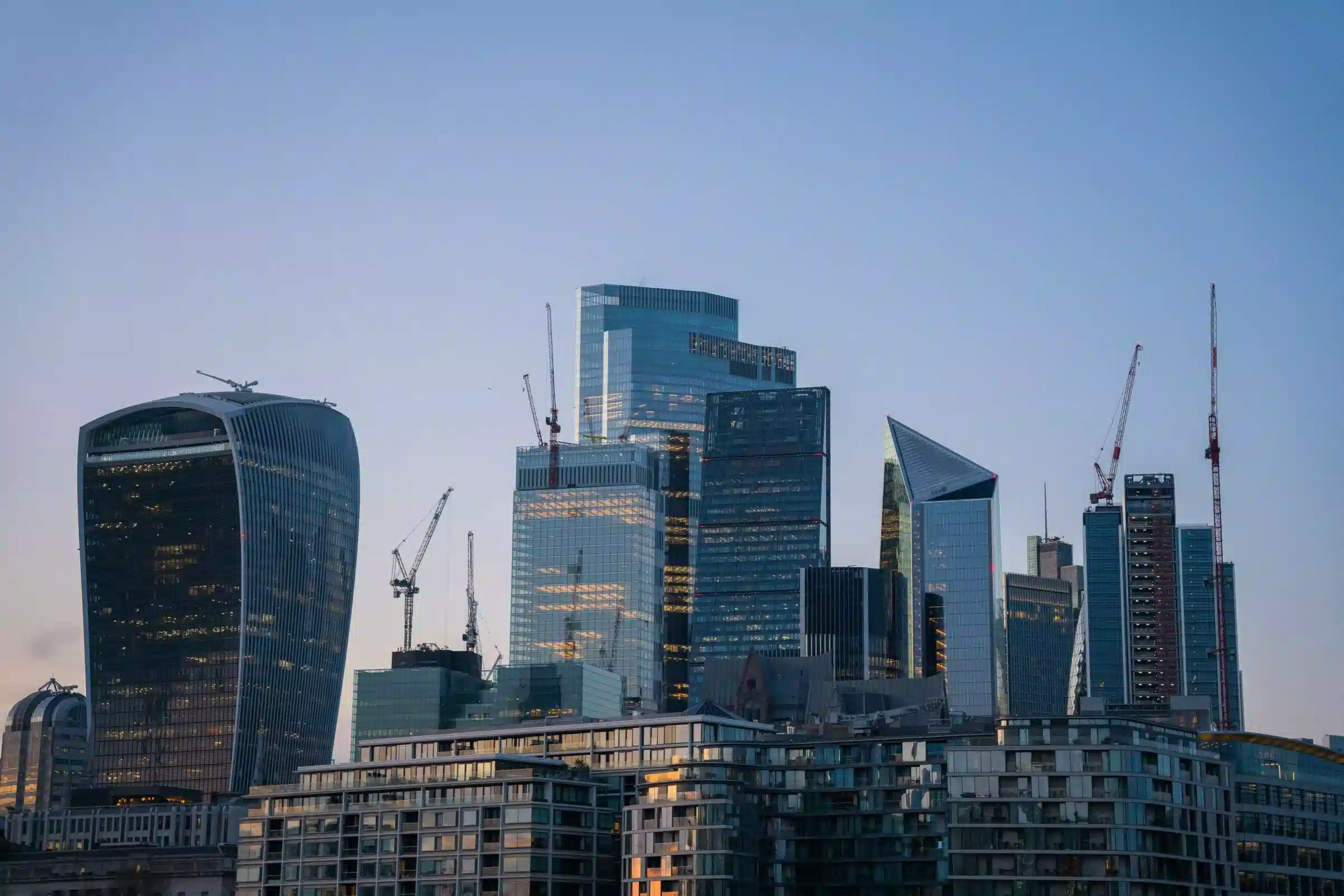
Expectations for the built environment are shifting as cities grow and lifestyles change. Modern construction aims to create places that are flexible, cozy, effective, and prepared for the future in addition to being structurally solid.


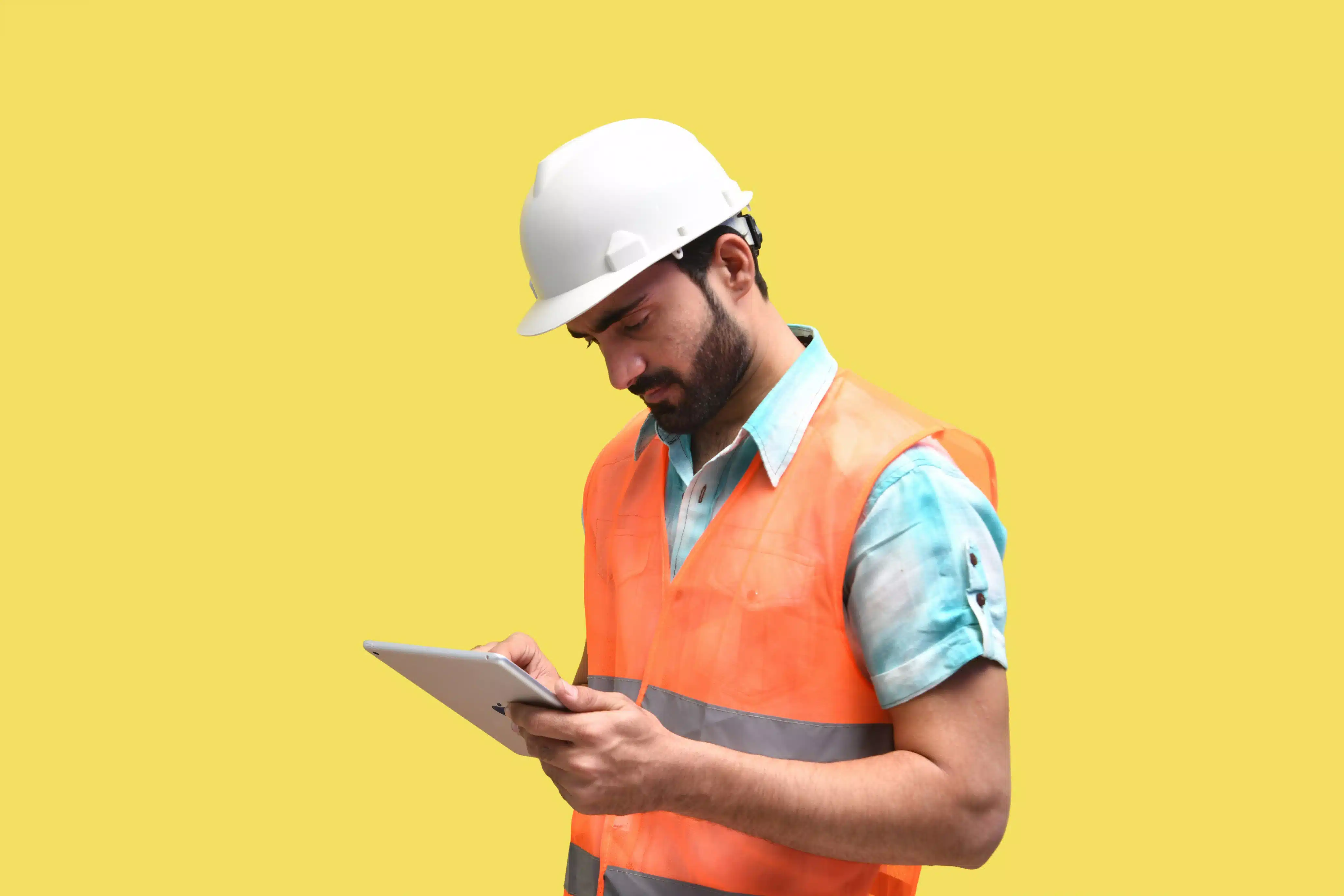
This change is increasingly being driven by technology. Building Information Modelling, automation, robotics, and artificial intelligence, are assisting construction workers in increasing precision, streamlining procedures, cutting down on delays, and producing better project results.

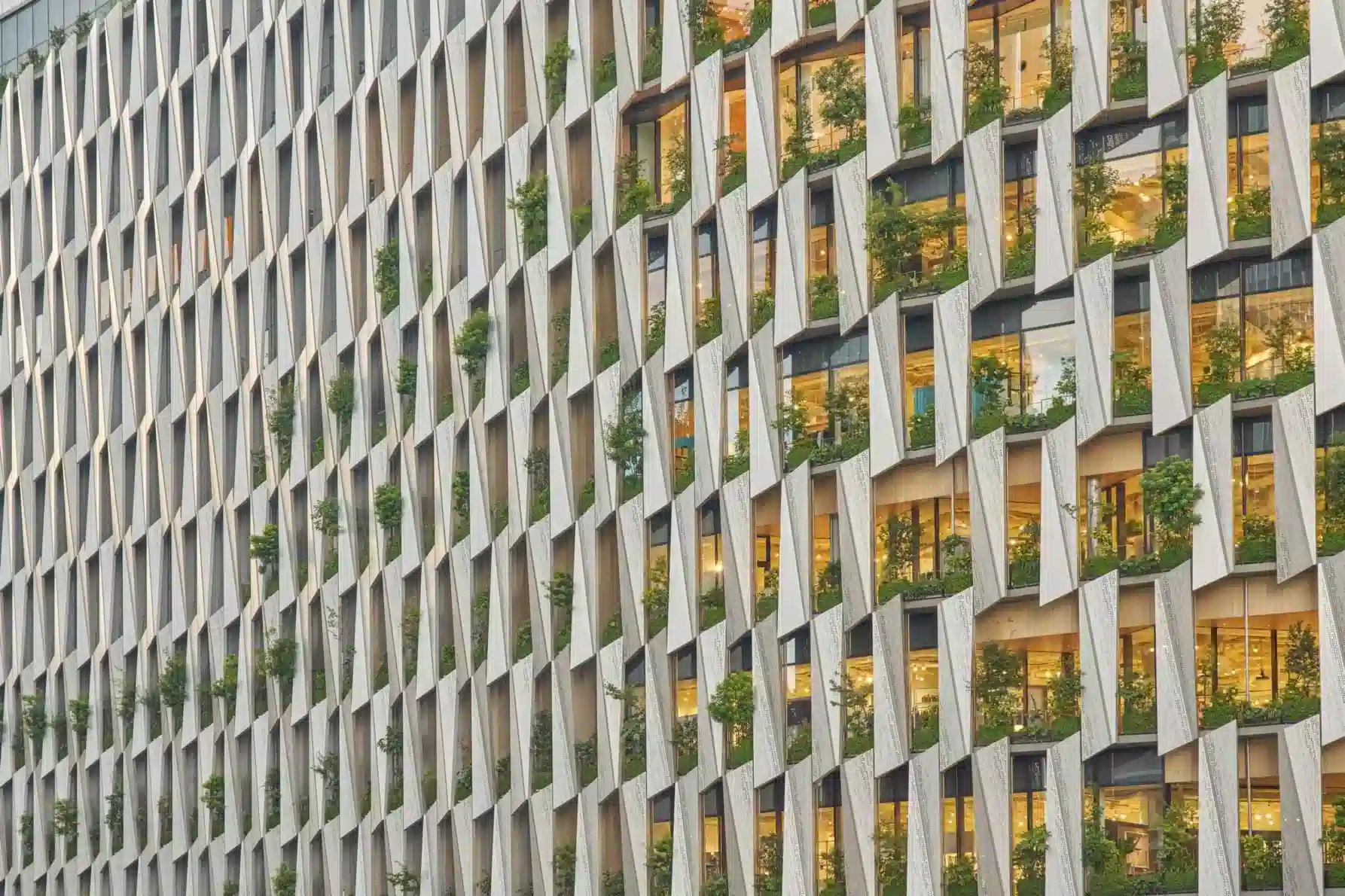
Additionally, sustainability has now become a crucial component of responsible construction. Developers are increasingly looking at resource-conscious methods, low-carbon materials, renewable energy resources, and energy-efficient designs to lessen their influence on the environment.

Building environments that cater to human needs will be equally important in the future. Natural light, flexibility, connectivity, accessibility, and comfort are becoming crucial as more people look for buildings that truly support their evolving lifestyles.

Together, these advancements are changing the built environment’s future. The construction industry will need to strike a balance between technology, sustainability, utility, and human aspirations as innovation continues to speed in order to develop better environments.

Enjoy reading!

Editorial team x

In this newsletter
you can expect:

Construction Technology

Sustainable Construction

AI & Robotics

3D Printing

Modular Construction

Building Information Modelling

Digital Twins

Smart Buildings

Key Forces Shaping the Future of Construction

Urbanization and Population Growth: Nearly 70% of people will reside in cities by 2050, which will increase demand for housing, workplaces, educational institutions, and healthcare. Faster and scalable solutions are needed in the construction industry.

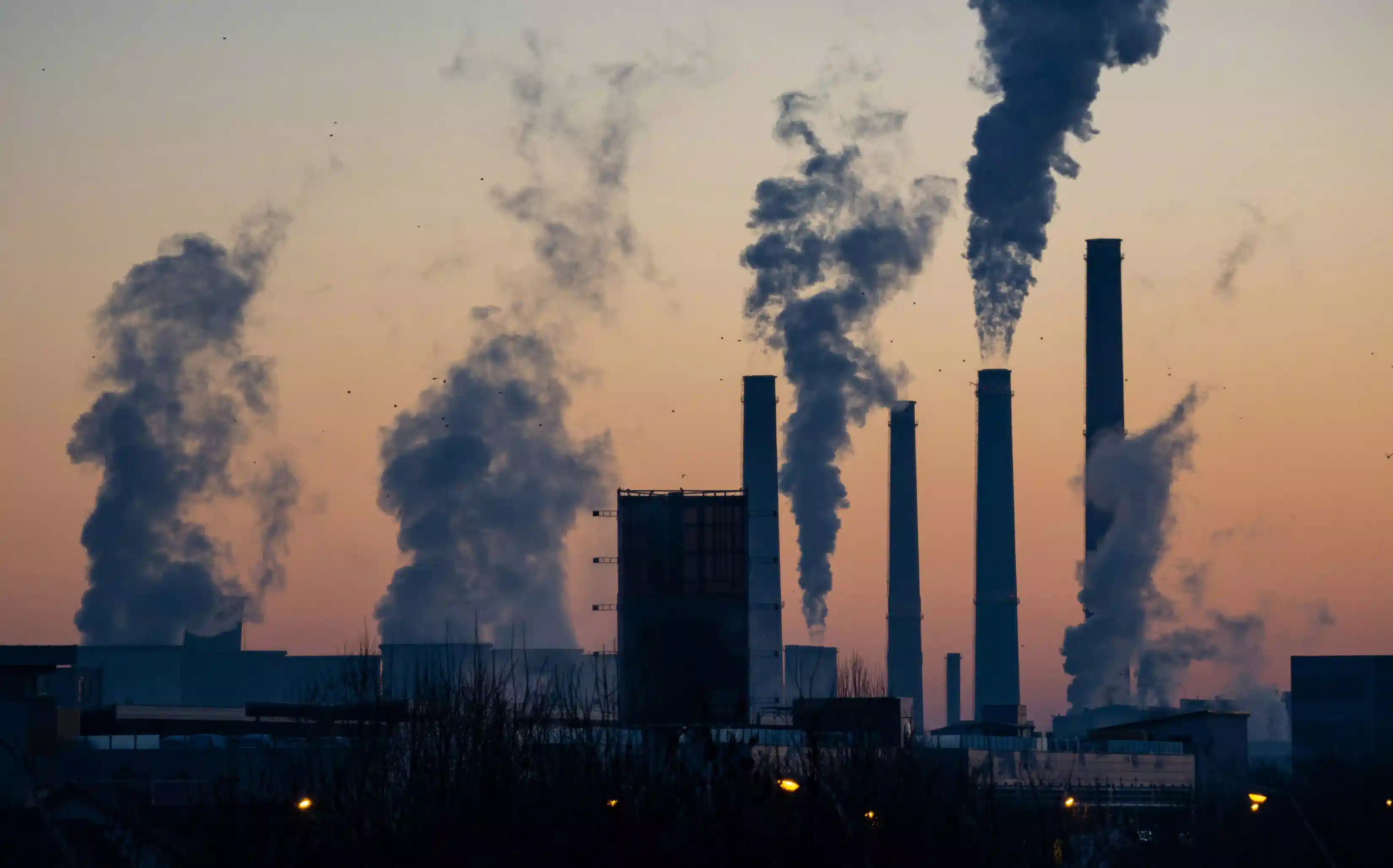
Climate Change and Sustainability: Greener construction methods are becoming more popular due to rising temperatures and limited resources. Future projects will prioritize sustainable materials, reduced emissions, and energy efficiency without sacrificing comfort or performance.

Economic and Social Influences: Construction is changing due to worker demands, affordable housing, and evolving lifestyles. Eco-friendly living and well-thought-out places that enhance daily comfort and long-term value are becoming more important for buyers.

Technological Disruption: The way that buildings are designed and constructed is changing due to technology. AI, robotics, 3D printing, and BIM are increasing the accuracy, efficiency, and flexibility of construction while creating new design opportunities.

Sustainability: The New Construction Standard

In 2026, green buildings are an industry expectation rather than a luxury element. Developers all over India are implementing sustainable building techniques, low-carbon materials, and creative solutions to lessen their influence on the environment.


Carbon-negative concrete, engineered timber, and self-healing materials are gaining popularity while net-zero buildings combine solar facades, efficient HVAC systems, and smart technology to produce cleaner energy and reduce consumption.

Modular and Pre-Fabricated Construction

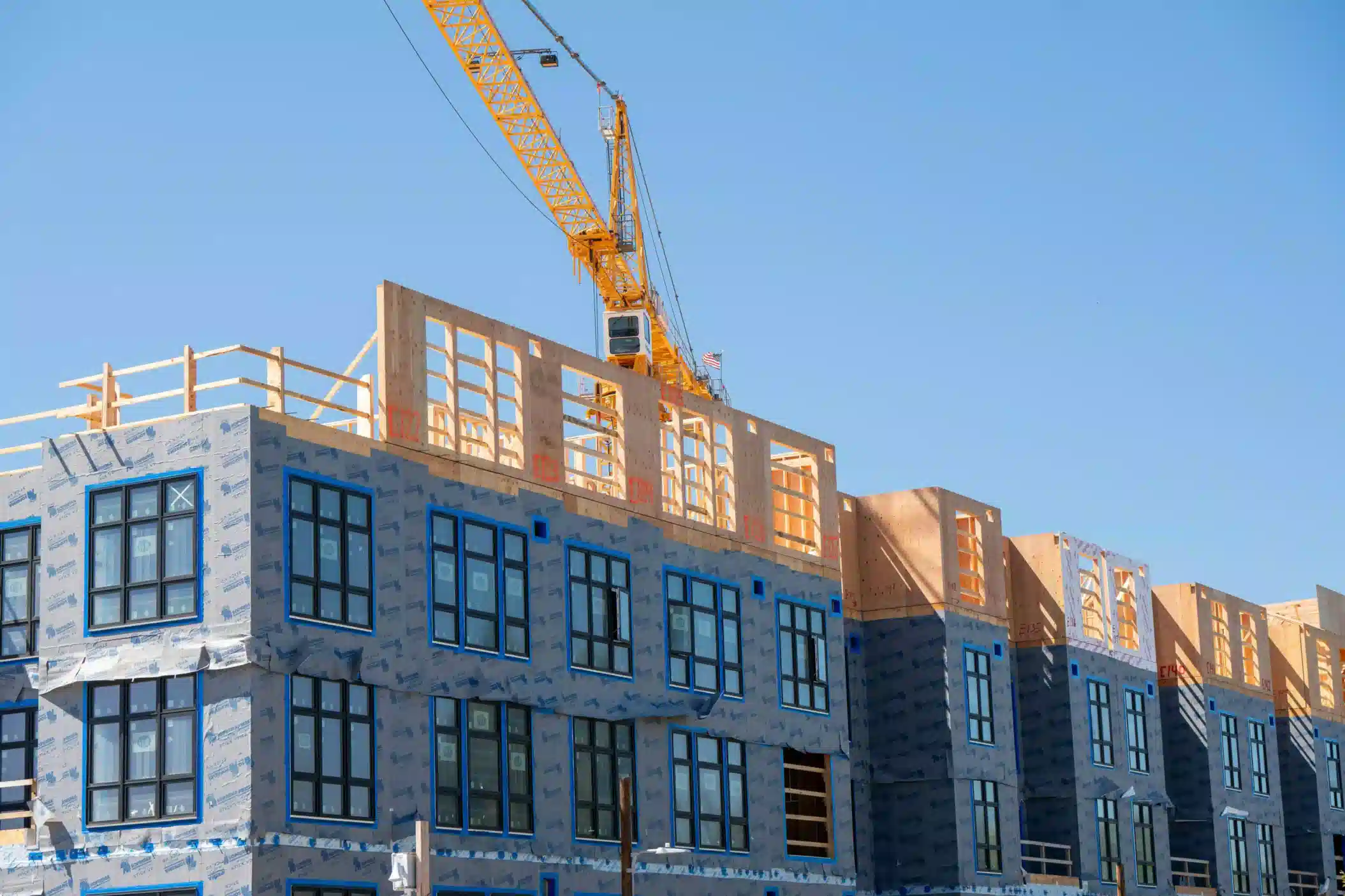
In India, modular construction is becoming increasingly popular as developers look for quicker and more effective ways to meet the nation’s housing needs. Building components, bathroom pods, and entire rooms can be produced off-site in regulated settings.

Modular construction can drastically reduce project deadlines while preserving uniformity and quality by minimizing on-site labour. This method works especially well in data centres, hospitals, and upscale hotels where accuracy and speed are crucial.

Future Construction Technologies

Integrated Construction Management Software


Connected workflows are taking the place of fragmented site management in cloud-based construction platforms. Real-time updates, centralized visibility, more intelligent resource planning, and transparent tenders are made possible by tools like Procore and Indian ERPs.


Building Information Modelling (BIM) & Digital Twins

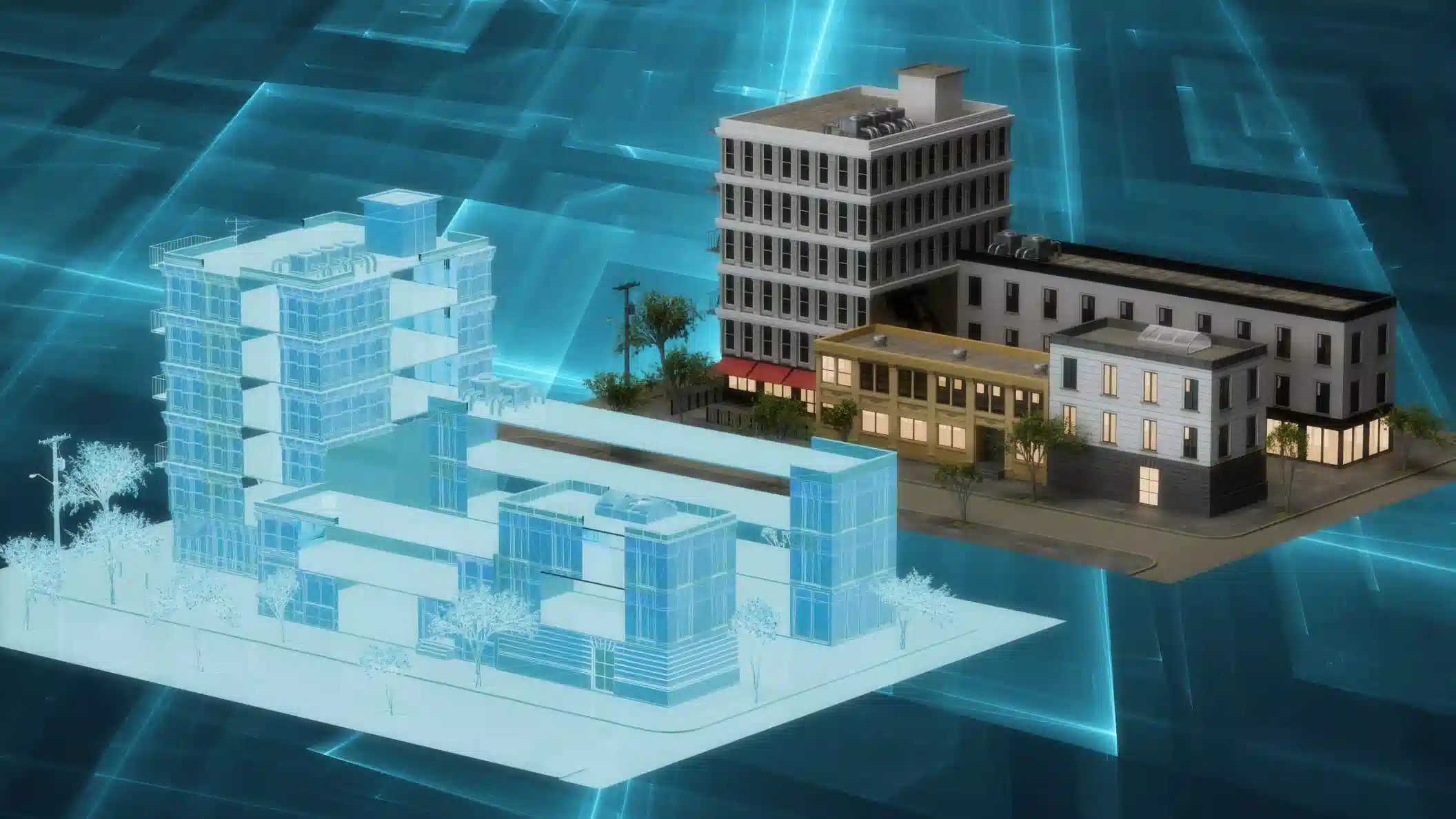
BIM currently incorporates 4D scheduling and 5D costing in addition to 3D drawings. Digital twins assist teams in identifying conflicts early, minimizing rework, and tracking performance using real-time IoT data.

Construction Robots & 3D Printing

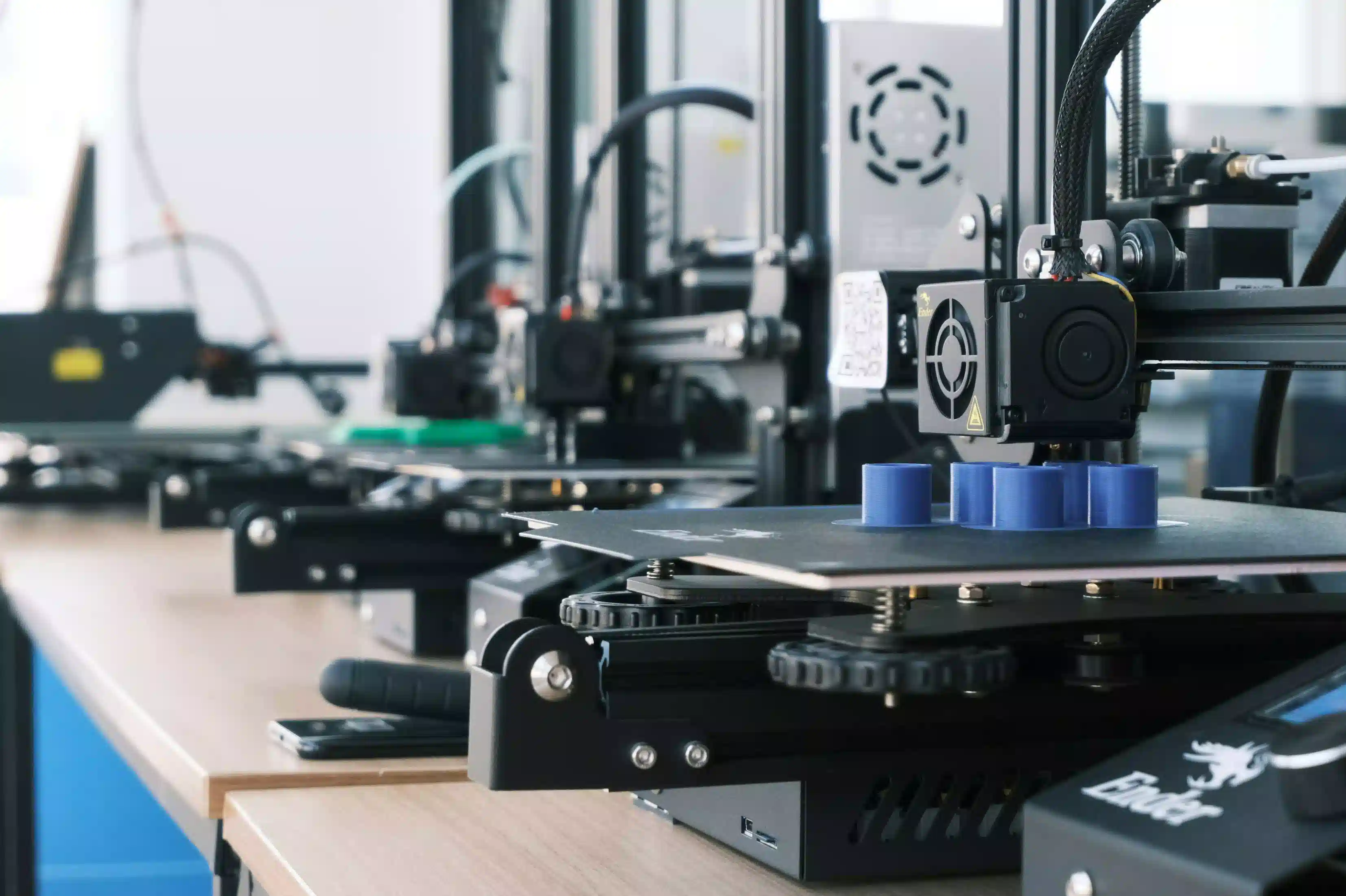
In India, 3D printing and robotics are gradually changing the construction industry. While 3D printing allows for quicker, cheaper construction for affordable housing and disaster assistance, robots do repetitive jobs like bricklaying and rebar tying.

Drones & Aerial Site Monitoring

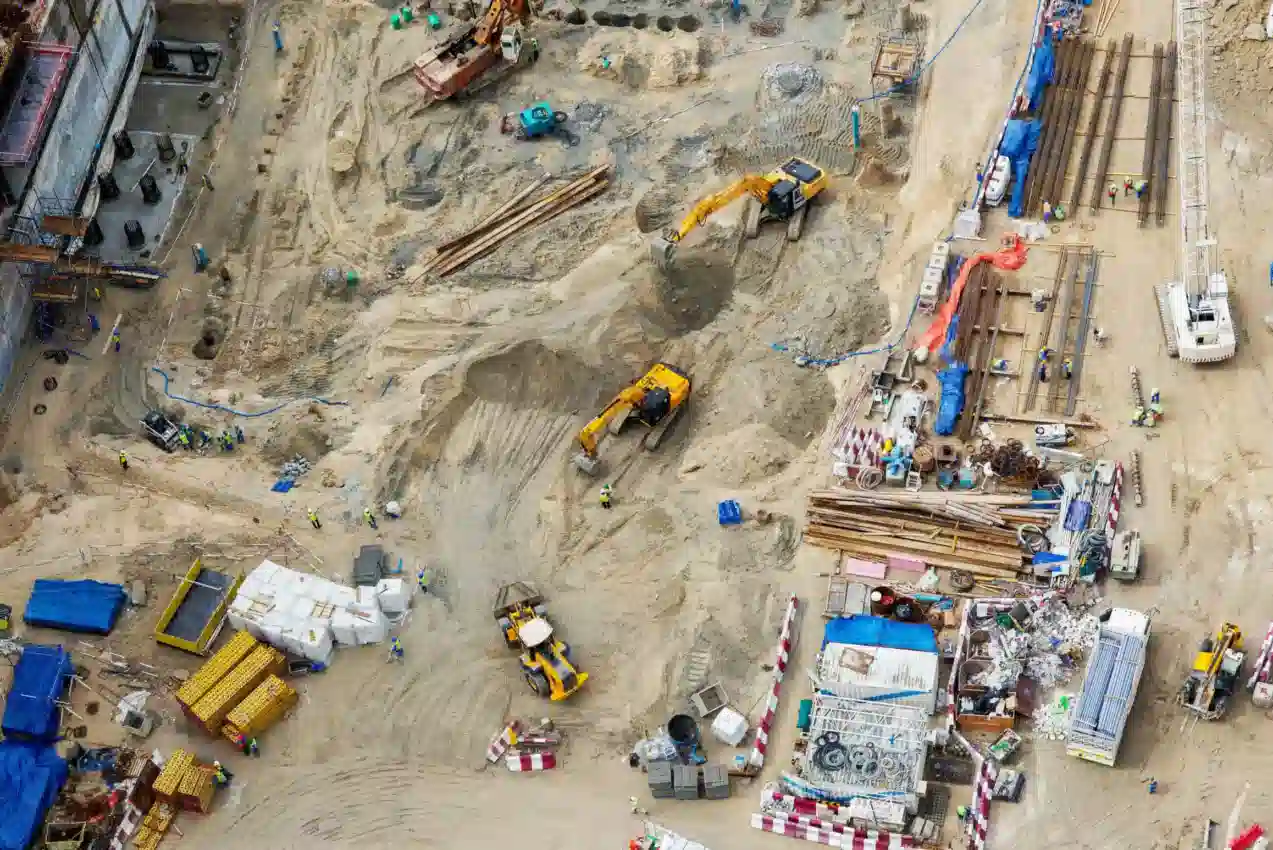
Drones are revolutionizing construction monitoring by providing aerial views of construction sites, monitoring progress, assisting with surveys, and examining difficult-to-reach locations. They support teams in identifying delays, enhancing safety, and keeping precise project records.

AI and Robotics On Site

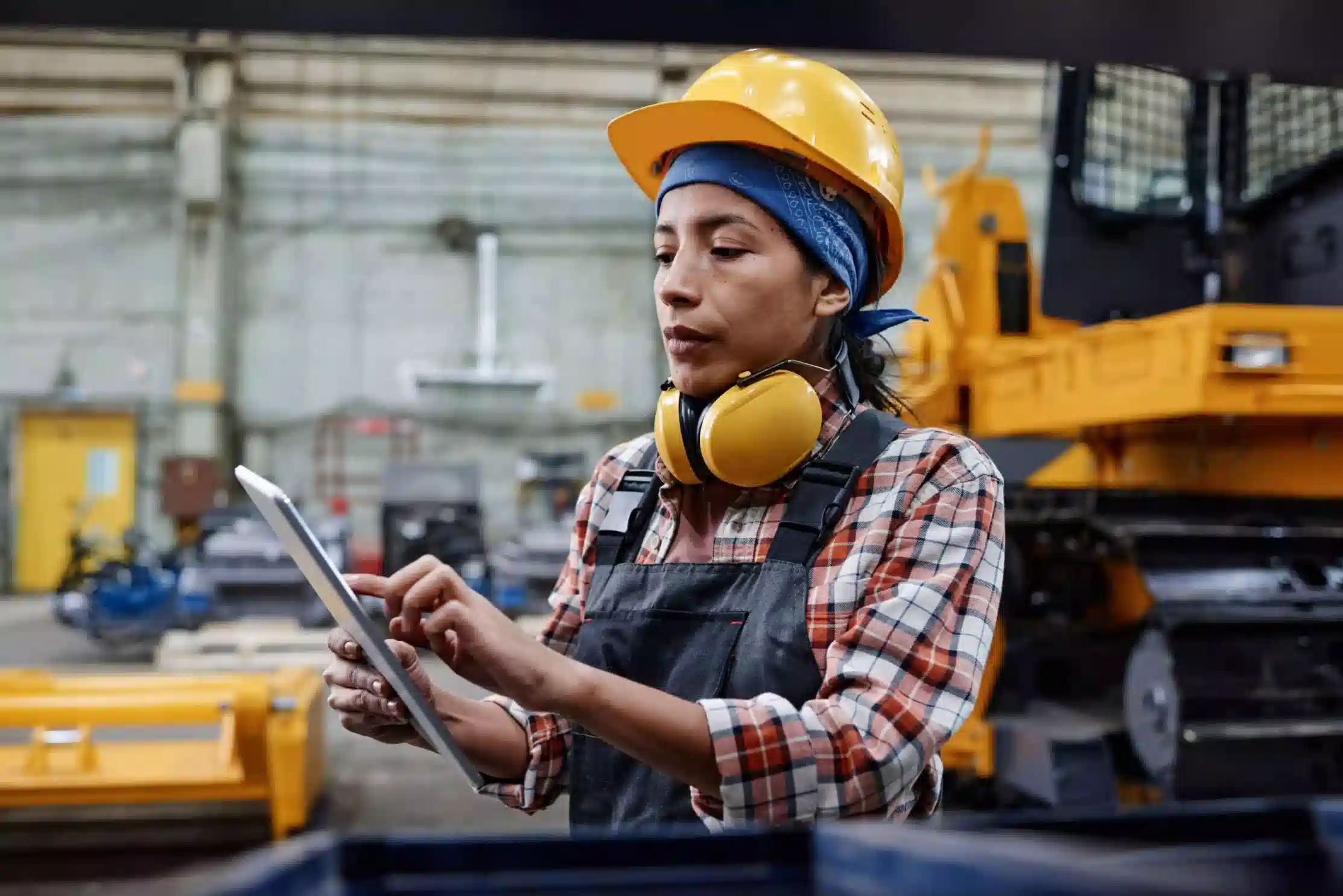
India’s construction sector is increasingly relying on AI and robotics in order to solve manpower shortages and boost efficiency. These technologies improve site safety, expedite tedious processes, and improve project management.

AI-driven solutions are able to assess project data, forecast any delays, and facilitate smarter scheduling. Real-time site monitoring using computer vision can spot safety hazards including unapproved access to dangerous areas or missing PPE.

Looking Forward: The Construction Industry Beyond 2035

The building sector is transitioning to a future where human needs, sustainability, and technology coexist. Future structures will be more intelligent, effective, durable, and well-thought-out.


Automation, artificial intelligence, robots, and digital technologies have the potential to revolutionize project planning, execution, monitoring, and maintenance after 2035. These innovations promise increased accuracy while cutting down on waste, delays, and other hazards.

Additionally, sustainability will no longer be an optional factor in building but rather a crucial component. Future developments will need to respect environmental responsibilities, from low-carbon materials to renewable energy and efficient water systems.

However, the future of construction cannot be determined solely by technology. The spaces that will be designed must continue to be focused on people to promote healthier lifestyles, increased comfort, accessibility, and productivity.

Along the way, the industry will surely encounter difficulties, such as changing regulations, growing expenses, and the need to strike a balance between innovation and pragmatism. Thus, one of construction’s major advantages will be adaptability.

The future ultimately belongs to those who are prepared to think beyond the present and construct differently. Construction can build a brighter future by embracing innovation while remaining dedicated to sustainability, quality, and people.

Thank you for reading!
WHITE FLOWER DEVELOPERS
083000 00083
www.whiteflowerdevelopers.com
7/25A, Kirti Nagar Industrial Area, New Delhi
Whatsapp Icon CHAT
Instagram Facebook Linkedin Youtube