ISSUE #5

Weekly
Newsletter

WHITE FLOWER
DEVELOPERS
11 May 2026

Budget & Policy Watch for Real Estate in 2026

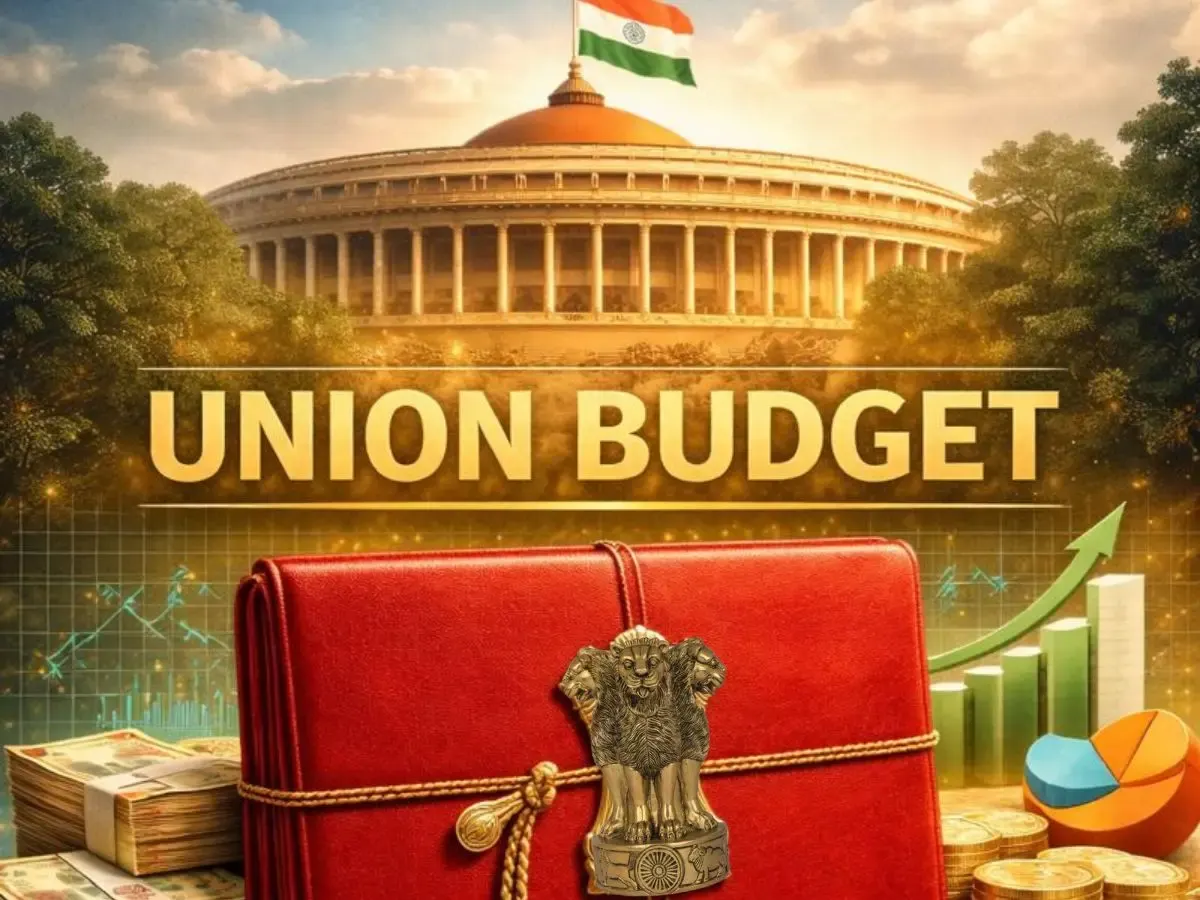
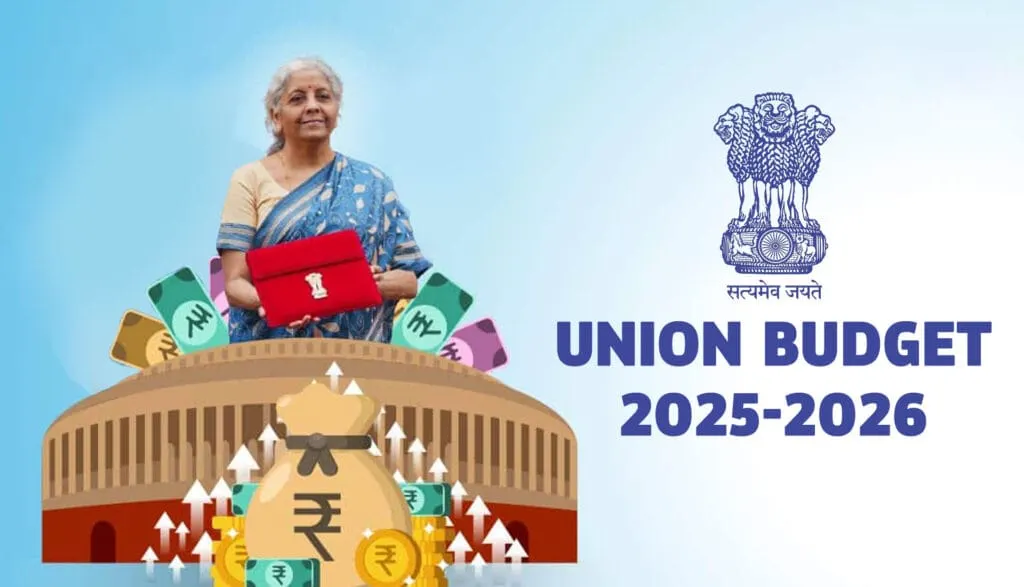
The Union Budget 2026 emphasised long-term stability above short-term incentives. It also changed how homebuyers and developers approach real estate investments, and is a turning point for India's real estate industry.

The budget concentrated on improving infrastructure, urban development, and economic factors. These factors indirectly affected housing demand and property value appreciation in both established and new markets rather than providing direct tax reliefs.

The continuation of current tax benefits offers stability to buyers, but affordability is still mostly dependent on borrowing rates, geographical advantages, and infrastructural growth rather than new fiscal incentives.

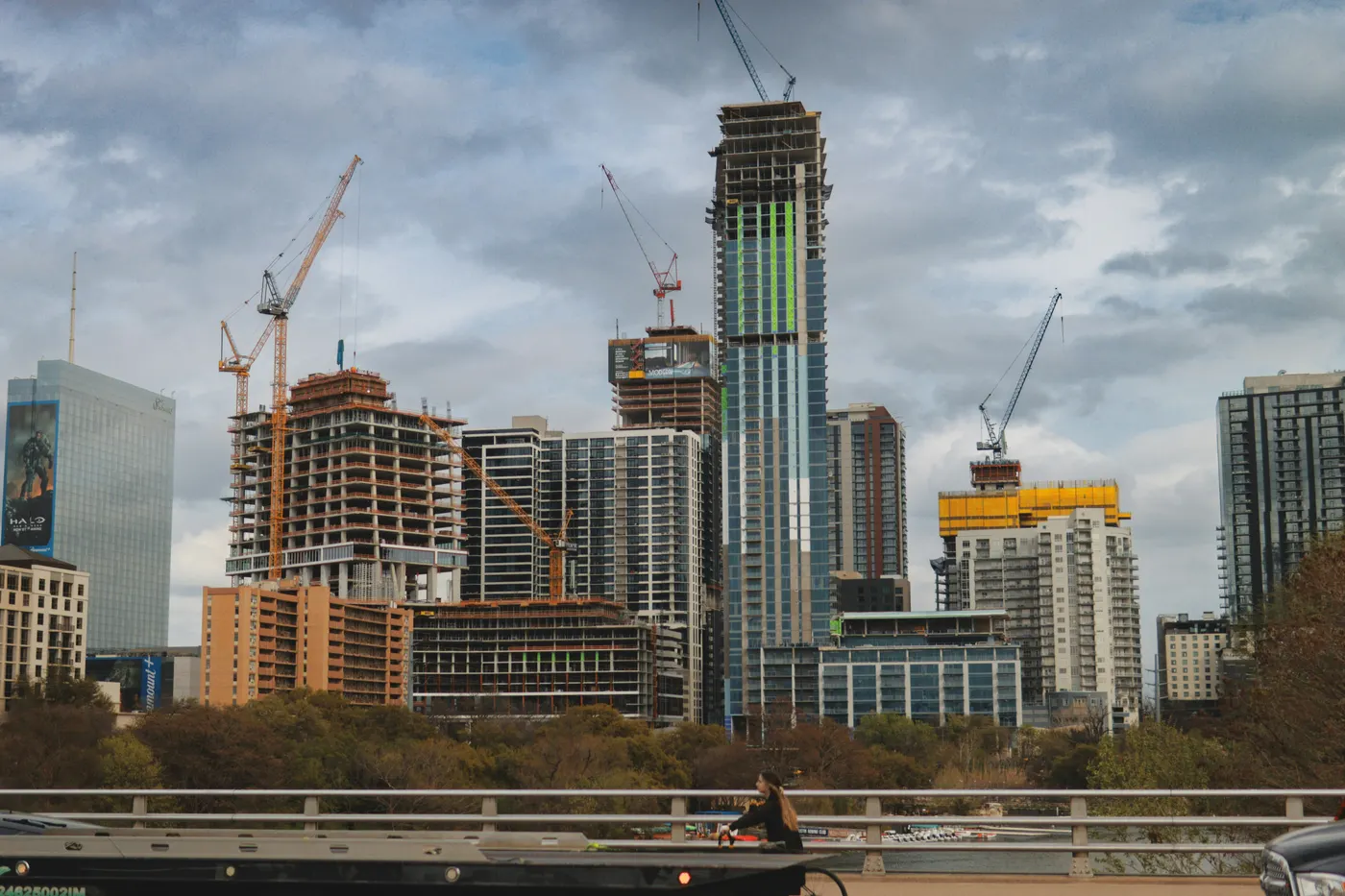
The government expects its increased investment in urban growth, industrial corridors, and connectivity to create new residential hotspots. It will also improve long-term investment prospects in Tier II and Tier III cities.

Improved access to capital, faster procedures, and increased demand brought on by infrastructure-led growth is probably going to help developers expand into new sectors with prospects for sustainable development.


Real estate companies are aligning their strategies to provide carefully designed communities in fast-growing areas in light of this changing environment. This will meet the needs of contemporary homebuyers who are looking for value, connectedness, and long-term profits.

Enjoy reading!

Editorial team x

In this newsletter
you can expect:

Real Estate

Union Budget 2026

Infrastructure Development

Affordable Housing

PMAY-Urban

REIT Reforms

Home Loan & Taxation

Urban Growth & Connectivity

Key Real Estate Announcements in Union Budget 2026

Home Loan and Taxation Charges: The Old Regime's Section 24 (b) interest deduction remains at ₹2 Lakhs despite requests. The government has streamlined NRI property TDS rules and eliminated deductions under the New Regime.


Affordable Housing Incentives: The government allotted over ₹18,000 crore to PMAY-Urban in Budget 2026 to complete pending housing units. This will increase the supply of ready-made affordable housing in the suburbs, and temporarily stabilise mid-income housing prices.

Infrastructure and Urban Development Allocation: The government increased capital investment to ₹12.2 lakh crore (a ~9% rise), prioritising rail expansion, metro networks, and CERs. These infrastructure developments will likely boost property values in nearby areas.

REITs and Real Estate Investment Reforms: The Union Budget 2026 simplified the taxes of distributions by clarifying REIT taxation. These transparency improvements will drive increased retail investment in real estate without direct ownership.

Budget 2025 for Real Estate

Union Budget 2025 focused on tax advantages, affordable housing, and measures meant to increase homeownership accessibility and stimulate the sector's overall growth.

The completion of 40,000 homes, a ₹15,000 crore SWAMIH 2 fund, a ₹1 lakh crore Urban Challenge Fund, and increased rent TDS limits were important measures that helped tenants, landlords, and buyers.

Budget 2026 for Real Estate

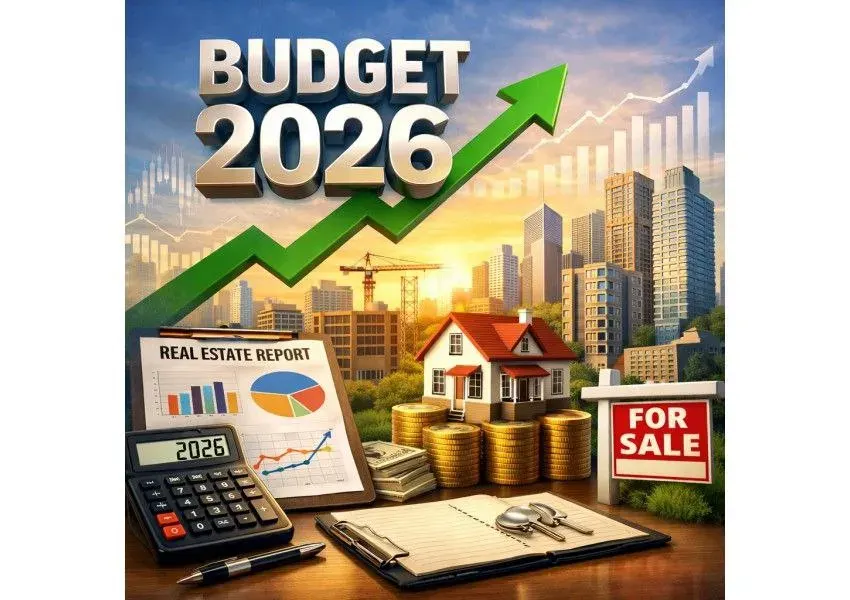
The Union Budget 2026-27 boosts real estate by enhancing connectivity, transport corridors, and logistics through ₹12.2 lakh crore in infrastructure capital expenditures. This will stimulate long-term demand, particularly in Tier-II and Tier-III cities.

It will boost the supply of affordable housing, REIT liquidity, and fundamentals while increasing demand in rising hubs, although there are no direct tax reliefs. However, volatility still exists, and premium Grade-A assets perform better.

What the 2026 Budget Means For Homebuyers

Impact on Home Loan


The Union Budget 2026 encourages fiscal discipline rather than lowering home loan rates. This consistency helps floating-rate borrowers plan repayments more confidently over time by reducing the likelihood of sharp rate hikes.

Tax Savings Opportunities

Taxpayers gain from fewer deductions under the New Tax Regime. Those without huge home loans might benefit more, while those with significant interest payments can still benefit from Old Regime deductions.

Should You Buy Now or Wait?

Waiting for price reductions driven by budget is rarely effective. Infrastructure is shaped by budget, not costs. There's not much reason to wait if you've found a property in a fantastic location.

Simplified NRI Transactions

It is anticipated that simpler TDS compliances will simplify real estate transactions by lowering procedural complexity and delays, making the real estate sector more effective and attractive to international investors.

Buying Sentiment in 2026

Mid-segment buyers' perceptions of the Budget 2026 have been largely positive. PMAY-Urban's success, consistent infrastructure investment, and policy continuity have all contributed to a more stable market outlook in contrast to times of policy uncertainty.

However, the luxury segment is still primarily influenced by equity market performance and broader wealth dynamics rather than budget-specific provisions.

Final Take: Is Budget 2026 Positive for Real Estate?

The Union Budget 2026 avoided disruptive policy changes and boosted confidence among investors, developers, and buyers in both urban and emerging areas. The government achieved this by providing a stable and predictable outlook for the real estate industry.

Improving connectivity, opening up new micro-markets, and boosting the long-term value proposition of residential and commercial real estate assets across the country are all made possible by a strong focus on infrastructure development. It is still a major growth driver.

The government's ongoing support for PMAY-Urban demonstrates a persistent commitment to affordable housing by encouraging first-time purchasers and increasing demand in the mid-income and economically disadvantaged areas of the housing market.

Furthermore, the realisation of REIT tax structures increases investor appeal and transparency. This makes real estate investment trusts a more appealing and effective vehicle for both institutional and individual investors.


A stable and growth-oriented environment is produced by the combined policy measures, which are especially advantageous for projects situated in interconnected regions. Here, infrastructure upgrades are either already underway or almost finished.

All things considered, Budget 2026 fortifies the basis for real estate expansion. Its effects are particularly noticeable in developing corridors where public investment is stimulating private development and influencing patterns of future urban growth.

Thank you for reading!
WHITE FLOWER DEVELOPERS
083000 00083
www.whiteflowerdevelopers.com
7/25A, Kirti Nagar Industrial Area, New Delhi
Whatsapp Icon CHAT
Instagram Facebook Linkedin Youtube