Why Real Estate Becomes the Smartest Investment During Economic Uncertainty
Everyone is affected by uncertain economic times: higher costs, tighter budgets, and increased reluctance to make financial decisions. Currencies fluctuate, markets become unstable, and conventional assets like gold or stocks often don't offer steady assurance. Short-term profits give way to long-term stability when people reevaluate their priorities.
Real estate starts to differentiate itself at this point.
It is tangible, driven by demand, and closely related to basic human needs in contrast to other asset classes. This blog explores how shifting economic conditions affect investment projects in West Delhi and explains why real estate remains the most reliable and sensible option for long-term wealth generation despite volatility elsewhere.
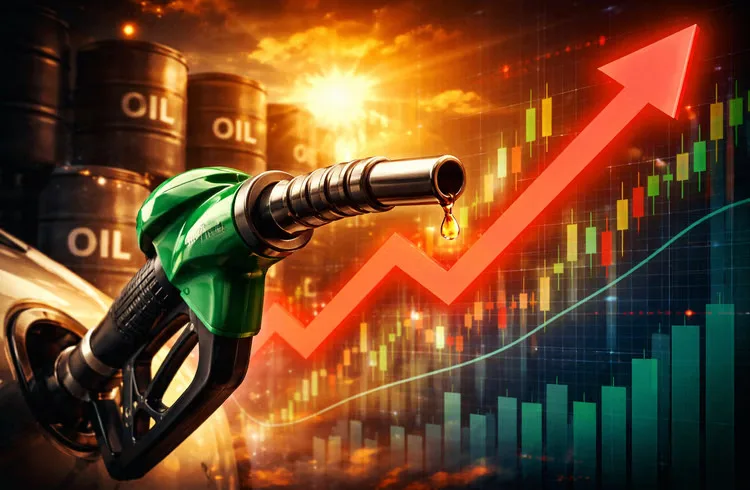
The Starting Point: Fuel Prices Go Up
Fuel is an essential input cost for all sectors. Almost every industry depends on it, including manufacturing, logistics, and transportation. Moving goods becomes more expensive when fuel prices rise. These expenses are then passed on to consumers via businesses.
The outcome?
Everything gets more costly.
Prices are rising across everything from electronics to food to building supplies. This is the beginning of inflation.
Inflation: The Silent Wealth Eroder
Inflation results from declining buying power and price increases. Fewer goods and services will be purchased with the same amount of money over time. This puts immediate pressure on household budgets.
Real savings begin to decline. Monthly expenses increase. Financial planning becomes harder. Macroeconomic stability and investor confidence are also impacted by inflation. Central banks may intervene to curb inflation, which further affects borrowing and spending.
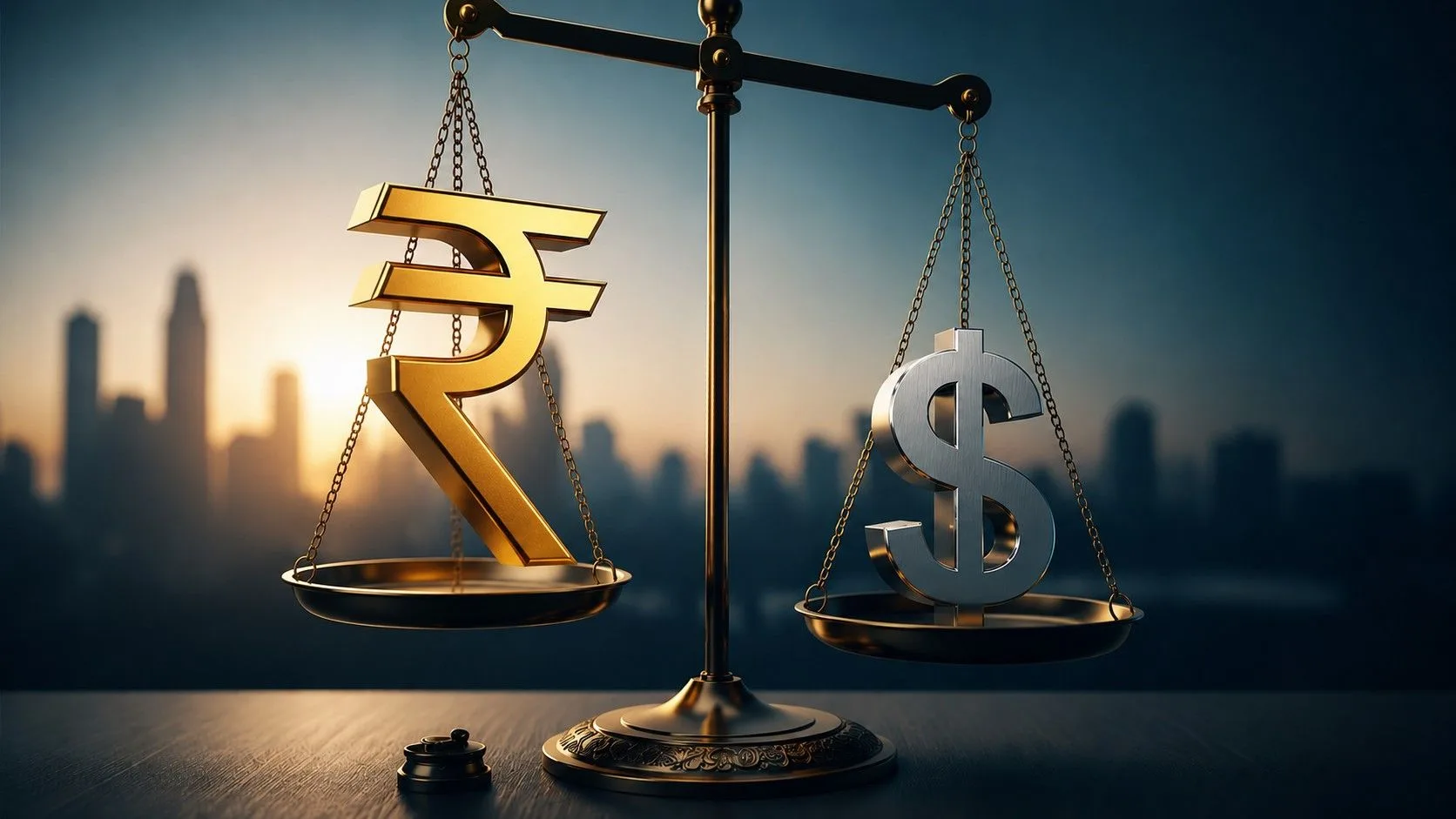
Currency Pressure: The Rupee vs Dollar Equation
Inflation often leads to currency devaluation, particularly in developing nations like India. Fuel-importing nations experience increased outflows of foreign currency as fuel prices rise globally (usually in US dollars).
The domestic currency is under pressure as a result.
When the rupee loses value in relation to the dollar:
- Imports grow more costly
- It gets more expensive to travel abroad
- Education abroad becomes more expensive
- Margin pressure affects companies that rely on imports
Exports might experience a brief boost at the same time, but overall economic sentiment tends to stay cautious.
Changing Lifestyles: PM Modi's Appeal
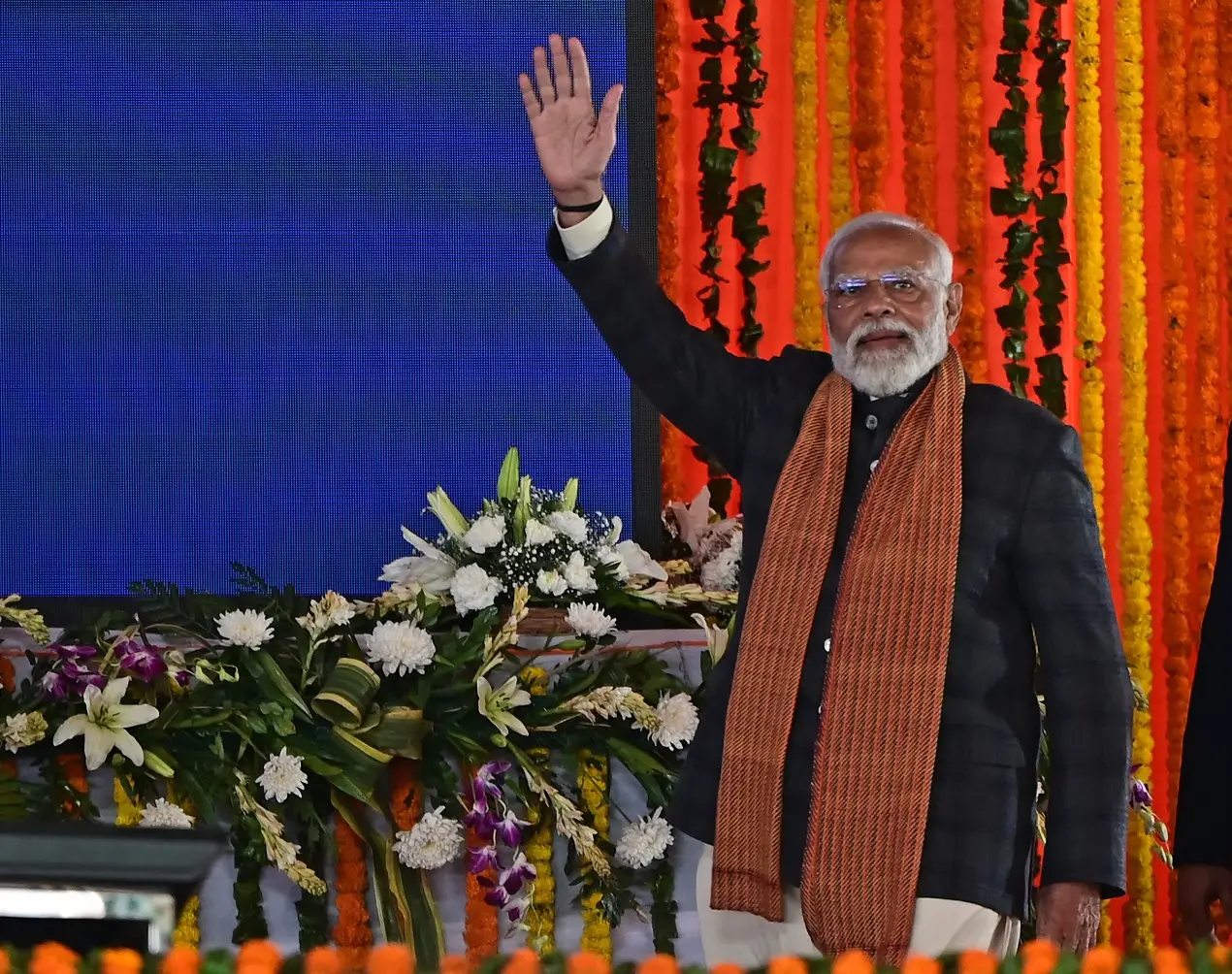
The Prime Minister of India, Hon'ble Shri Narendra Modi ji, recently voiced support towards taking steps to fight against the adverse impact of the Middle-East war. He urged people to:
- Prioritise work from home wherever possible
- Avoid buying gold for one year
- Reduce petrol and diesel consumption and instead use public transport
- Cut down the use of cooking oil
- Reduce dependence on chemical fertilisers and move towards natural farming
- Use fewer foreign-branded products and adopt Swadeshi
- Avoid foreign travel for one year
This change raises the significance of where and how individuals live, which is a subtle but significant effect.
Investment Behaviour: A Shift Towards Caution
Caution increases with uncertainty.
Investors are paying closer attention to their finances. Budget sheets are revisited. Savings turn into a priority. Risk tolerance decreases.
Traditional investment options like stocks and even gold can become extremely volatile during these times:
- Global news and economic data prompt swift responses from stock markets.
- Currency and interest rate dynamics may cause fluctuations in gold prices.
The average investor struggles to feel secure amid this volatility.
The question then becomes: Where can one invest with long-term confidence and relative stability?
Real Estate Enters the Picture
Real estate begins to stand out amid this uncertainty, gradually rather than all at once.
1. Tangible Asset Benefit
Real estate is tangible, unlike digital assets like stocks. It satisfies the fundamental human need: shelter. This has intrinsic value regardless of market conditions.
2. Inflation Hedge
Inflation has generally led to higher real estate prices in the past. Property prices rise as labour, land, and material costs do.
3. Demand Remains Strong
Demand for homes doesn't go away, even in recessions. In reality, as more people work from home, the need for improved housing frequently rises.
4. Limited Supply vs. Rising Costs
Increases in fuel prices and supply chain disruptions lead to higher construction costs. Prices rise due to decreased new supply or increased project costs.
The Construction Factor
Construction costs are one of the most overlooked areas of real estate.
Increases in fuel prices directly affect:
- Material transportation
- The price of steel, cement, and other inputs
- Labor expenses
Developers are compelled to raise house prices as construction costs rise.
This leads to an important realisation: real estate becomes more expensive the longer you wait.
The Demand Surge and Currency Effect
It's interesting to note that strong domestic demand can offset currency depreciation even when it initially provides an advantage (for example, NRIs find Indian property cheaper in terms of dollar).
As more individuals choose luxury real estate investment in Kirti Nagar:
- Demand increases sharply
- Prices rise more quickly
- The benefits of currency decline
To put it simply: Any pricing advantage vanishes as demand increases so strongly.
The Final Takeaway
Investors want stability, security, and long-term value during difficult times. Certain investments perform better than others under certain circumstances, but no investment is completely risk-free.
Real estate stands out as a formidable contender due to its physical nature, steady demand, and capacity to protect against inflation.
Investments like commercial investment in Naraina stand out as a really reliable alternative during periods of rising fuel prices, inflation, currency pressure, and market instability, because waiting merely raises costs rather than lowering risk.

