Why Privacy is Becoming the New Luxury
Stand on your balcony at 7:00 PM. Count the sounds. A neighbour’s television, traffic, construction, and a pressure cooker two floors up. Imagine spending many crores on that soundtrack.
The real estate market is changing as a result of the wealthiest homebuyers in India doing this exact calculation. Due to their ease of purchase and copy, marble, chandeliers, and imported fixtures have become common. In a city of millions, distance from the noise, the crowds, and the gaze is what money cannot buy.
This blog shows how this shortage has subtly elevated privacy to the top of the luxury pyramid, what it means for luxury living in India, and how a discerning buyer should react.
From Gold Taps to Closed Gates: How Luxury Changed
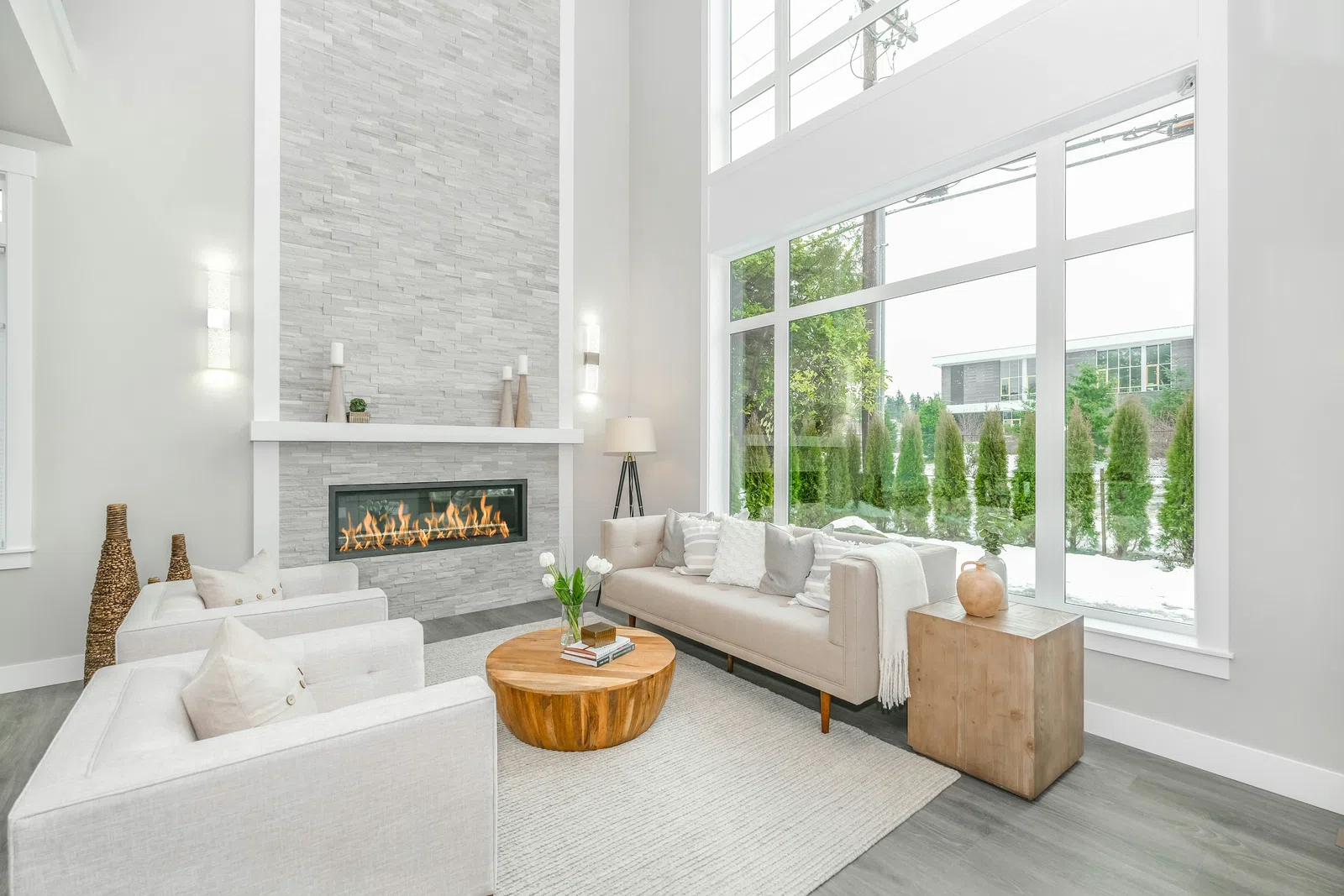
For many years, luxury homes in India spoke the language of ornamentation. The category was defined visually by features like a brand-name modular kitchen, a double-height ceiling, and a magnificent lobby.
The definition then shifted.
The capital invested at the top end of the housing market is still rising, notwithstanding a minor slowdown in overall housing volumes in recent quarters. The interpretation? Purchasers are concentrating their cash in a smaller number of far better residences. Current projections for the luxury market in 2026 clearly show this change in behaviour. Affluent buyers no longer demand speculative upside or sheer scale. Rather, their top concerns are wellbeing, spatial design, and complete privacy.
A portion of the story is explained by the wealth of a new generation. Next-generation entrepreneurs, senior professionals, and startup founders view a home as a store of permanence - an anchor in otherwise unstable life. For them, a luxurious home is now a haven rather than a trophy to flaunt. By definition, a sanctuary maintains a respectful isolation from the outside world.
Why Privacy Matters in Luxury Housing
When you ask why privacy is important in opulent homes, the truth starts outside of real estate. The average urban professional works in open-plan offices, on calls, on camera, and on social media throughout the day. The last place a person can just exist is at home. After 2020, that haven grew smaller as work followed us home, and buyers were deeply affected.
Density exacerbated it. Millions of new residents continue to move into India’s largest cities, bringing households closer together with each tower. Conversations flow from shared walls. Strangers travel in shared lifts. Everything else travels on shared corridors. In this context, control over who enters your world, stillness, and distance ceased to be preferences and instead became the product.
What a private home restores is called “attention recovery” by psychologists. Stress is quantifiably reduced and concentration is improved by green views, quiet settings, and predictable surroundings. According to recent industry studies, almost 60% of luxury purchasers particularly seek privacy-focused layouts in addition to wellness and automation features because the wealthy realized this early on.
Inside Private Luxury Homes in India
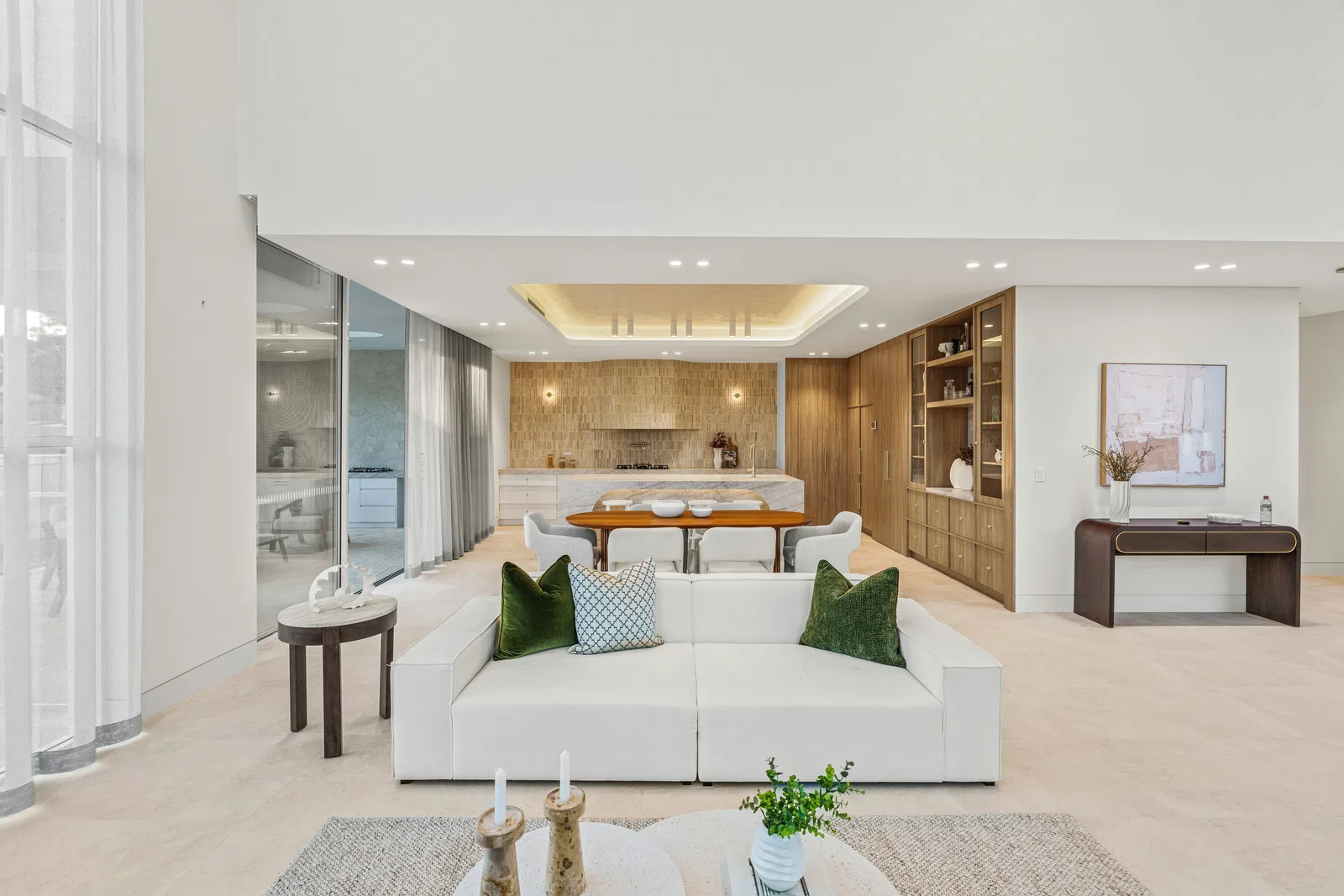
The design concept is evident before any amenities when you enter the finest private luxury home. Homes are orientated for solitude rather than symmetry, and they sit apart.
Security fulfills the promise. Perimeter surveillance, controlled entrance, and smart access all work together keep vigilance undetectable and make life inside carefree rather than guarded. The resident’s mental burden is reduced to almost nothing when concierge-style upkeep is included, which is the whole point for some buyers.
Demand continues to expand. This format attracts NRIs, who now account for nearly a fifth of luxury segment investment in India. Their needs are better met by exclusive homes than by any tower in the city centre.
The Quiet Economics of Exclusivity
Privacy is sometimes portrayed by sceptics as a luxury. The market for resale disagrees. The best kind of basis a property class can have is end-user driven and structural rather than speculative, according to analysts monitoring India’s premium market. These homes are inhabited by buyers, who then unwillingly sell them after passing them on to their kids. The rest is done via thin resale supplies.
Privacy by Design: The Features That Actually Deliver It
The best developers incorporate seclusion into the master plan itself, long before it is experienced. Most of the work is done by four components.
Independent walls are the first. When a single family owns every wall, there is no sound transfer between houses, and the ceiling fan is the loudest noise at midnight. Next is staggered orientation, in which villas are tilted away from one another such that windows open onto gardens instead of a neighbour’s living room. Buffer landscaping serves a silent, continuous function with tree lines and level changes absorbing sound and obstructing sightlines throughout the estate.
Next are the personal territories. Every home has a piece of open space set aside for itself, transforming walks and morning tea into private enjoyments rather than public appearances. If you compare any high-end project to these four, its brochure adjectives will either stand or fail.
The Last Word
Every age crowns its own status symbol. It used to be the address closest to the action, but now it is the address the action finds difficult to get there. The capacity to shut off the noise will only increase in both comfort and financial terms as India’s cities get denser and louder. Come spend an evening in one of our residential projects if it sounds like the life you have been striving for.

