How Lighting Can Completely Transform Your Home
Proper lighting is crucial to home design, often referred to as the “heart” of both architectural and interior design. A space’s overall functioning and aesthetics can be improved with the correct lighting design, which also highlights key design elements and creates the ideal atmosphere. Understanding the function of lighting in home design is essential to setting the overall feel of your home, whether you work as an architect, interior designer, or homeowner.
This blog explores the significance of lighting in home aesthetics and identifies important elements to take into account when creating a bright and aesthetically attractive space, from layout planning to fixture selection and lighting arrangement design.
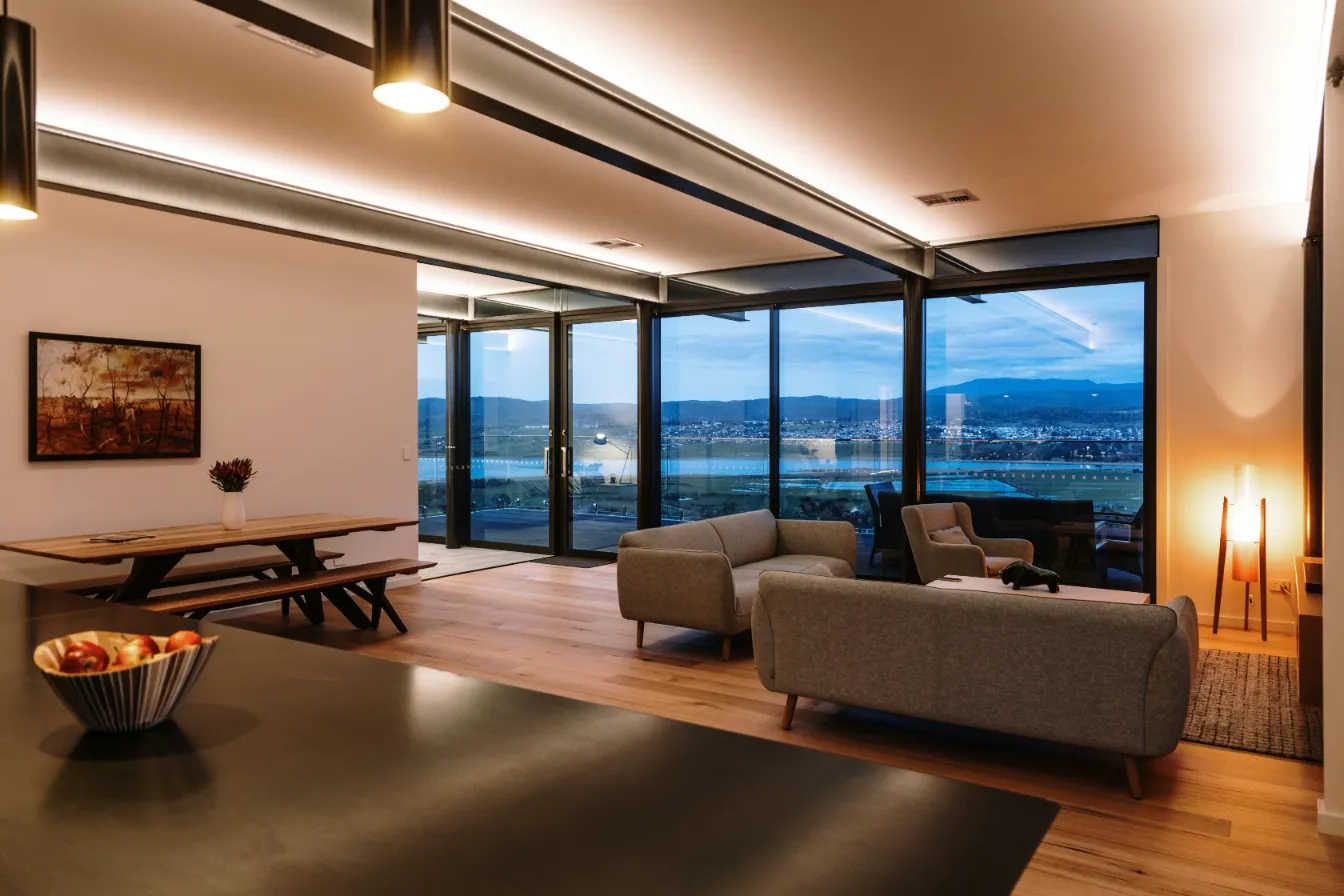
Impact of Lighting on Aesthetics and Mood in Interior Spaces
One cannot undervalue how lighting affects interior spaces’ beauty and atmosphere. The right lighting can create a peaceful, intimate setting or make a place feel livelier. Brighter lighting, for instance, can increase your sense of productivity. Having an intense light on while working, whether it’s a bright overhead light or bright natural light, provides you more energy to be productive. Dimmer lighting, on the other hand, can produce a more tranquil and comfortable atmosphere.
A space’s appearance and atmosphere are greatly influenced by its colour temperature. Warm lighting, which falls between 2700K and 3000K, can lessen the impact of cooler tones while highlighting warm colours like orange and red. Because of its well-balanced combination of warm and cool effects, neutral lighting, which ranges from 3500K to 5000K, is often used for overall home illumination and closely resembles natural light. On the other hand, vibrant areas like kitchens and living rooms usually use cold lighting at or above 5000K. One can create a dynamic or welcoming atmosphere by carefully choosing lighting fixtures, intensity levels, and colour temperatures.
Types of Lighting
Three primary types of lighting are used in house design: ambient, task, and accent lighting. Each type has a distinct role and is necessary to design a space that is both useful and well-balanced. Ambient lighting, sometimes referred to as general lighting, gives a room overall illumination. It ensures a pleasant brightness level and establishes the tone for the space. Natural light sources like windows and skylights can be used, as can overhead lighting systems.
As the name implies, task lighting is specific lighting used to carry out tasks or activities. It concentrates light in areas where tasks are carried out, like workspaces, kitchen countertops, and reading corners. The brightness of task lighting should be just right to avoid eye strain without causing glare.
Accent lighting is all about highlighting specific aspects of a space and providing visual appeal. It is ideal for displaying decorative items, artwork, or architectural details. Wall-mounted fixtures, track lighting, or spotlights can all be used to provide accent lighting.
Achieving a well-designed space requires an understanding of the many lighting kinds and how they interact with one another.
Key Considerations for Effective Lighting Layout in Home Design
Your home’s lighting layout needs to be carefully thought out and planned. It entails considering a number of elements to guarantee that the lighting is both aesthetically pleasing and operates as intended.
First and foremost, it’s important to comprehend the unique requirements and activities that will occur in each room. Determine the property type and level of lighting needed by taking into account the many tasks and functions that will be carried out in a certain place. This will assist you in selecting the ideal mix of task, ambient, and accent lighting for each space.
Secondly, be mindful of the direction and positioning of lighting fixtures. Try to distribute light in a balanced manner to avoid any dark or shady areas in the space. Make sure the lighting is positioned at the proper angle and intensity in locations where certain tasks will be performed, such as a kitchen countertop or reading nook, to prevent glare or discomfort.
The light’s colour temperature is an additional factor. The term “colour temperature” describes how warm or chilly a light bulb emits light. While higher temperatures produce a pleasant and welcoming atmosphere in living spaces, colour temperatures are often utilized in task-oriented spaces like kitchens or offices.
Finally, don’t overlook energy efficiency. Compared to conventional incandescent bulbs, LED bulbs have a longer lifespan and use less energy. This will save you money on your electricity bill in addition to being more eco-friendly.
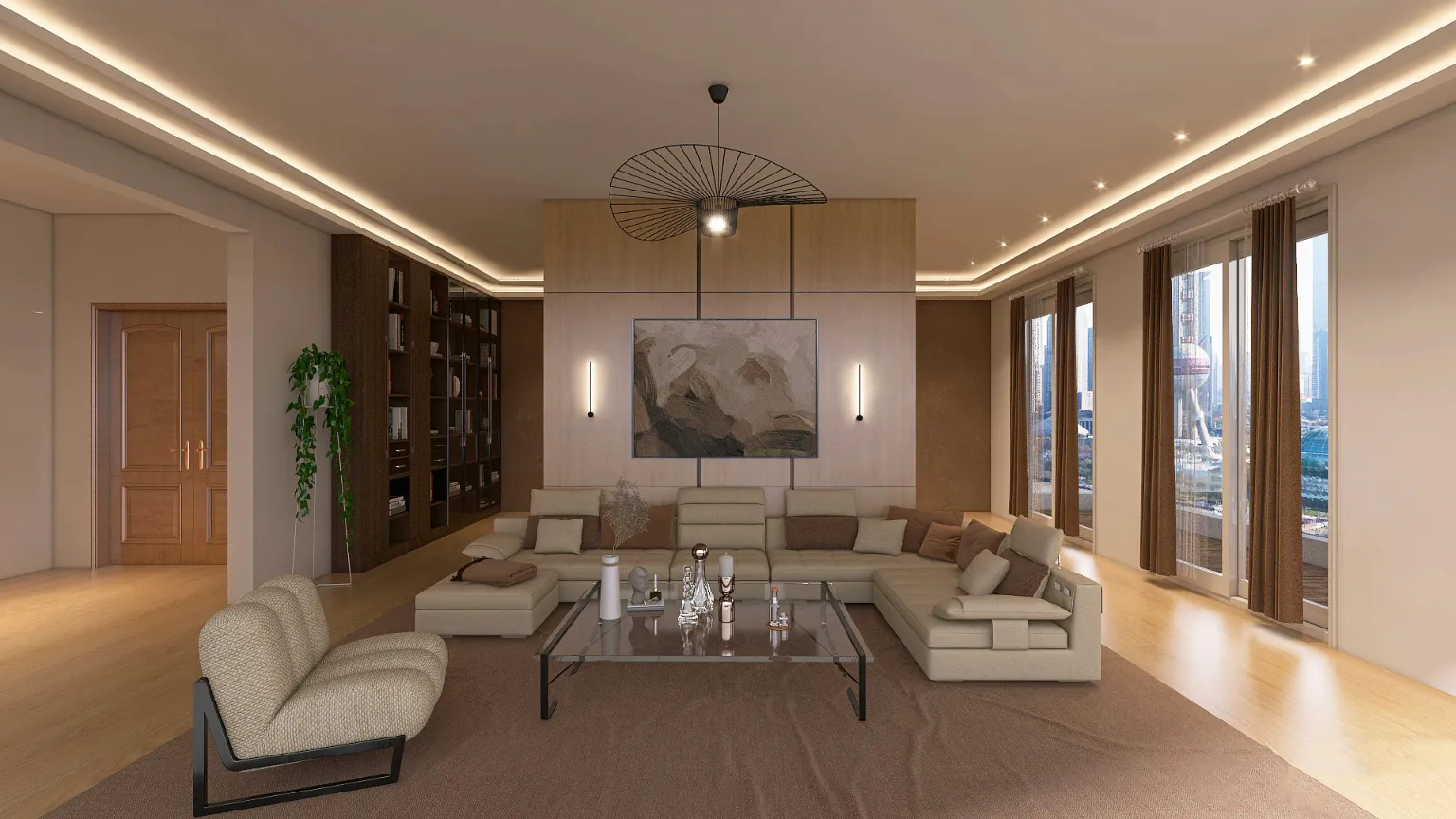
Energy Efficiency and Sustainability in Lighting Choices
When choosing light for your house, energy efficiency and sustainability are becoming more and more crucial considerations. Energy-efficient lighting offers possible long-term economic benefits in addition to lowering your carbon footprint.
One of the most ecological and energy-efficient lighting is LED lighting. LED bulbs do not waste energy by generating heat, in contrast to conventional incandescent lamps. Rather, they are extremely efficient because they turn nearly all of the energy they use into light.
Additionally, compared to conventional bulbs, LED bulbs can last up to 25 times longer. This reduces waste and ultimately saves you money because fewer replacements are required.
Furthermore, LED technology has evolved to provide a broad range of colour temperatures, enabling you to create the ideal atmosphere for every space of your house. LED lighting can be customized to meet your unique requirements and design choices, ranging from warm tones for private and comfortable rooms to colder tones for focused and task-oriented spaces.
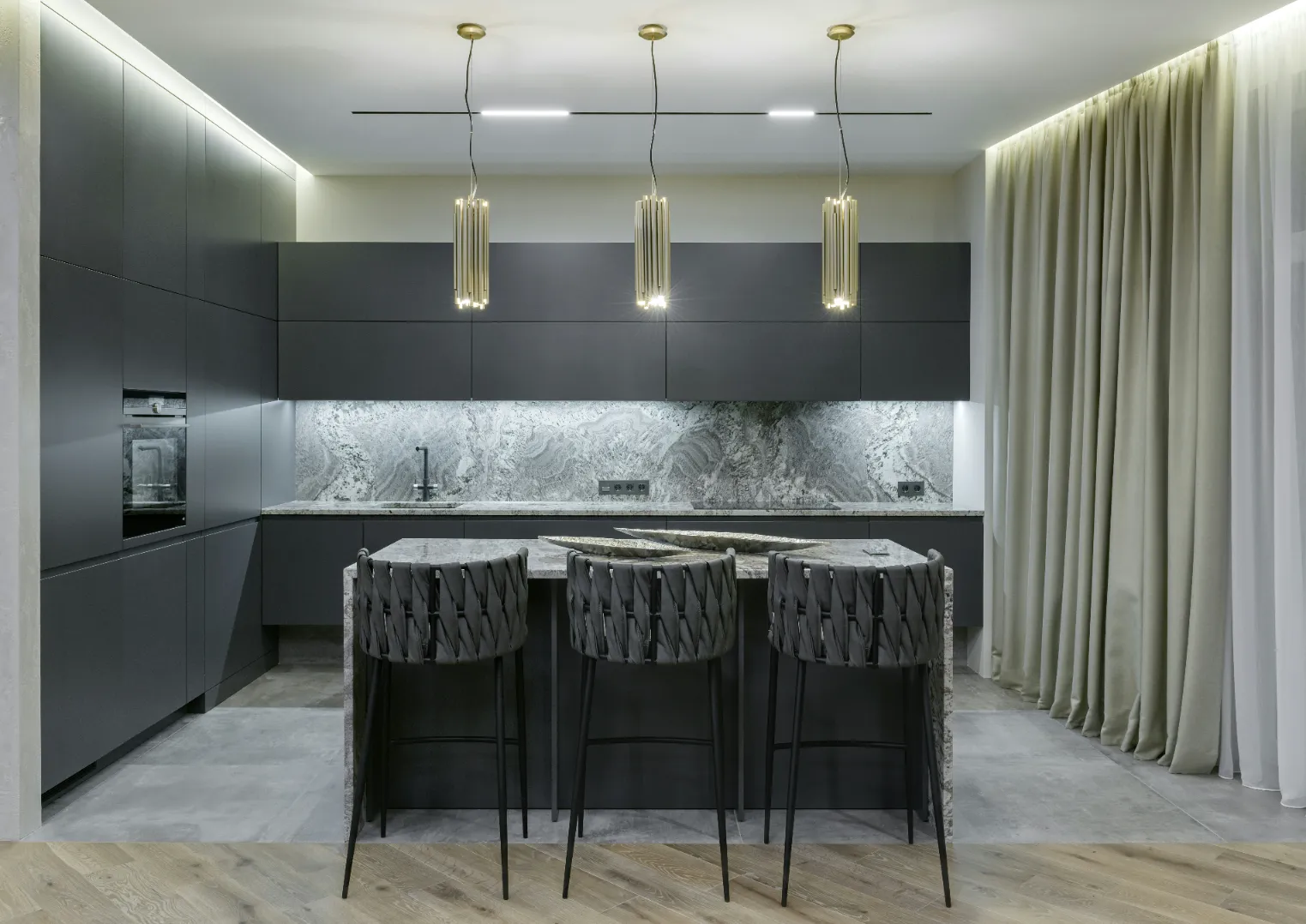
Conclusion
Lighting is crucial to home design in order to create a harmonious and welcoming environment. Modern lighting trends, natural light, smart lighting systems, and custom fixtures can all help you improve the appearance and functionality of your house.
When selecting lighting fixtures, take into account the size, function, and general layout of each space. A harmonious mix of artificial and natural lighting can create various moods, draw attention to key spaces, and save energy.
You can make your house a haven that expresses your own taste and improves day-to-day living with thoughtful lighting design.

