Steel Structure vs. RCC Structure: Understanding the Difference
Two common building materials in the construction sector are steel and reinforced concrete cement (RCC). Both materials are suitable for a variety of construction projects due to their unique characteristics.
Let’s look at their characteristics in this blog to help you understand the difference between RCC and steel. After learning more about the topic “Steel Structure vs. RCC Structure,” you will easily be able to choose the best building material for your project.
Introduction: Steel Structure vs. RCC Structure
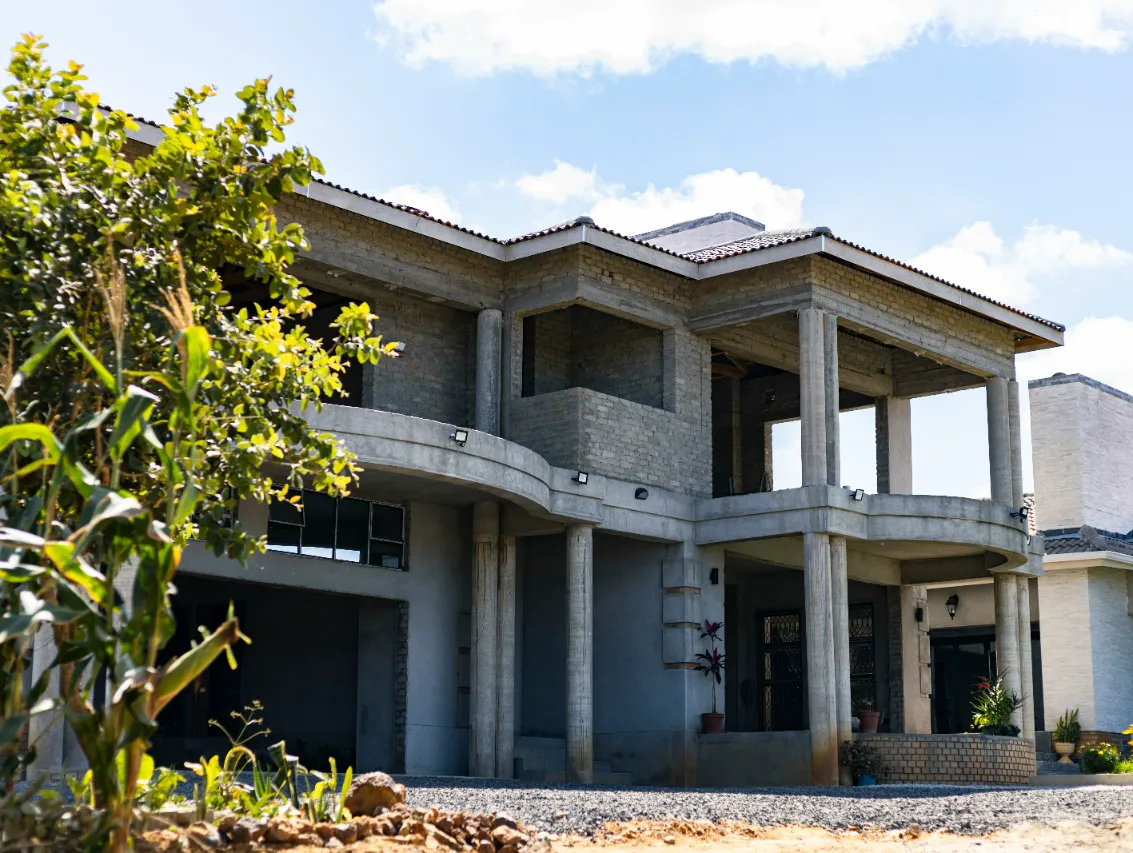
Two popular construction materials, steel and reinforced concrete, each have special qualities and advantages. Concrete and steel reinforcement combine to form RCC, a composite material with remarkable durability and compressive strength. It is commonly used in building foundations, beams, and columns. On the other hand, steel’s high tensile strength and flexibility make it a versatile material. This makes it ideal for structures that span a lot of space and hold a lot of weight. Since each material has pros and cons of its own, the choice between RCC and steel usually depends on the specific requirements of the project.
Steel Structure vs. RCC Structure: A Comprehensive Comparison
Let’s examine several facets of the topic “Steel Structure vs. RCC Structure” and determine how they differ from one another.
Material Composition and Strength
Steel or other reinforcing element is used to reinforce structural concrete to create reinforced cement concrete (RCC), a composite material used in construction. Steel is the most typically used reinforcement because of its complimentary properties. This kind of concrete is referred to as either reinforced cement concrete or steel-reinforced cement concrete. Steel is primarily made of carbon and iron. Traces of elements such as manganese, silicon, nickel, chromium, etc. are occasionally added for various purposes.
One of the primary differences between steel and RCC is strength. Steel is the ideal material for structures that need to hold a large amount of weight because of its high tensile strength. RCC has a better compressive strength but a lower tensile strength than steel. Steel is therefore the preferred material for structures that need to withstand harsh weather or heavy loads.
Speed and Ease of Construction and Cost Comparison
Cost is yet another important factor to consider when choosing between RCC and steel for a construction project. Steel is often more expensive than RCC in terms of construction and material prices. However, steel constructions are often built faster, which may partially compensate for the increased costs. RCC, on the other hand, is more cost-effective in terms of materials, but construction may take longer and require more work, which could impact the project’s overall cost.
Durability and Maintenance
In terms of durability, RCC and steel both have advantages over one another. Steel’s exceptional durability and resistance to corrosion make it a long-lasting material for construction projects. RCC is likewise durable, however it may require regular maintenance to prevent cracks and slow deterioration. The lifespans of both steel and RCC structures can be extended with the right maintenance and care.
Steel is a preferred material for structures that need to follow strict fire safety regulations because of its superior fire resistance. Residents are better protected in the event of a fire since steel constructions are less likely to collapse. RCC is also fire-resistant, however, it may not offer as much protection as steel. The application of suitable fireproofing techniques can improve the fire resistance of both steel and RCC constructions.
Design Flexibility
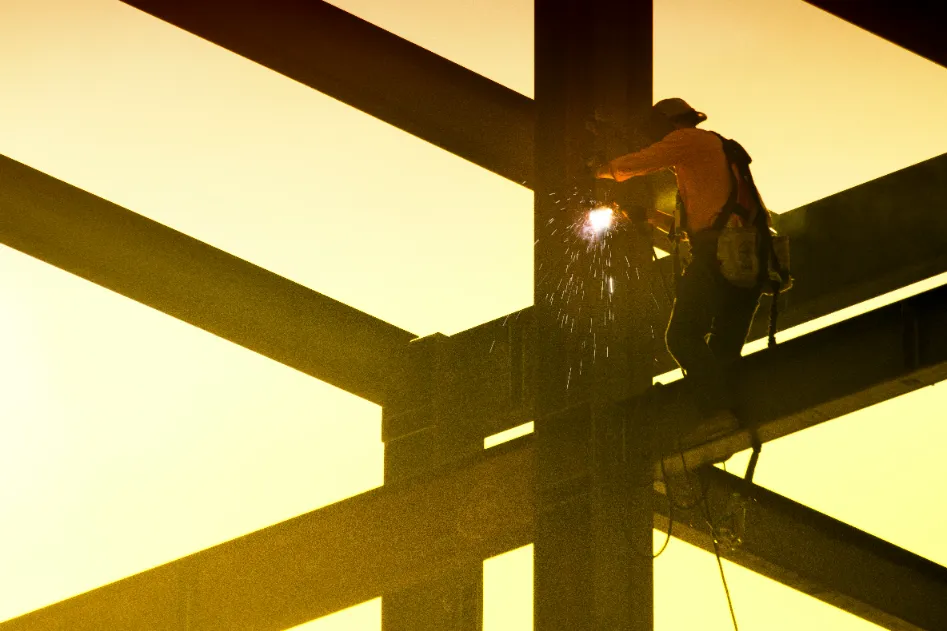
Steel’s remarkable flexibility makes it simple to mould and shape it to fit a wide range of design requirements. The versatility of steel constructions allows for the creation of more complex and sophisticated designs. RCC, however, is less pliable and may require additional support and reinforcement to adopt the proper shape and design. However, because RCC can be formed into a range of sizes and shapes, it remains a versatile material for construction projects.
Environmental Impact
Both steel and RCC have an impact on the environment in terms of sustainability. Steel is less environmentally friendly than RCC because steel production uses a lot of energy and can raise carbon emissions. Because RCC is made of natural materials like cement, sand, and aggregates, it is a more environmentally-friendly choice for construction projects. Reusing and recycling both materials, however, may lessen their impact on the environment.
Which One Should You Choose?
The selection of materials should only be based on the requirements and specifications of the individual project, as we discussed above. Let’s look at a few situations where using steel or RCC is preferable.
Applications of Steel Structures
Steel is a preferable choice for building materials in the following situations:
- High-Rise Buildings: Steel should be used due to its strength, light weight, and quick construction.
- Industrial/Warehouse Buildings: Steel should be used here since it can create vast span areas at a reasonable cost.
- Residential Buildings: They are built with light gauge steel.
- Temporary Structures: They should be made of steel since they would be easy to assemble and disassemble.
Applications of RCC Structures
It is better to use RCC in the following cases:
- Commercial & Residential Buildings: RCC is perfect for beams, columns, and floor and roof slabs in both residential and commercial constructions.
- Bridges of All Spans: It provides economical and aesthetically pleasing construction and is often utilized for short, medium, and long-span bridges.
- Water-Retaining & Hydraulic Structures: Large domes, sports stadiums, conference centres, dams, and both elevated and ground tanks can all benefit from RCC.
- Earth-Retaining Structures: It is often used for retaining walls and bridge abutments that support earthen embankments.

Conclusion: Steel Structure vs. RCC Structure
In conclusion, steel and RCC each have specific characteristics that make them suitable for various kinds of construction projects. Steel’s exceptional strength, flexibility, and durability make it the ideal material for structures that must hold a lot of weight. However, because of its affordability, versatility, and sustainability, RCC is a popular choice for a range of construction projects. The specific requirements of the project and the desired outcome will determine the ultimate choice between RCC and steel.

