Ready-to-Move vs. Under-Construction Property: Which is Right For You?
If you’ve ever gone home-hunting, you’ve undoubtedly encountered this particular fork in the road, right? For example, do you book something that’s still a hole in the ground with a gorgeous brochure, or do you take a place you can walk into next month? It’s one of the first major questions in any home-buying guide, and to be honest, there isn’t just one correct answer that applies to all situations - whatever that means for you.
Let’s discuss what an under-construction property may save you, what a ready-to-move property truly offers, and how to make a decision without thinking about it all the time.
What Do We Actually Mean by These Terms?
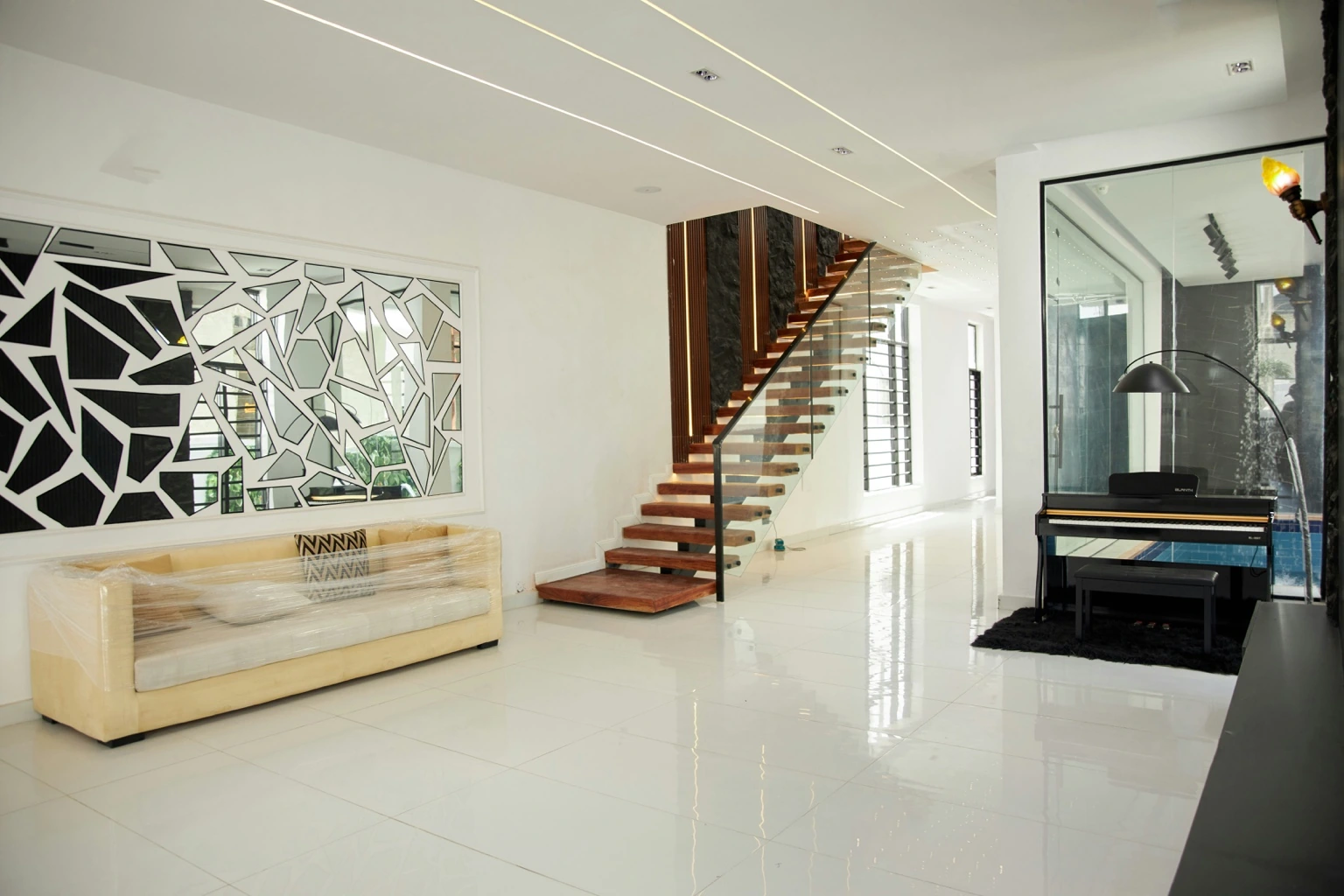
A ready-to-move property is basically what it sounds like: the space is finished, it has an occupancy certificate, and you can move in your furniture as soon as the paperwork is signed. When you visit the site, you are basically seeing what you will eventually own, not a hypothetical version.
However, a property that is still under construction is sold when the property is still under construction, i.e., from the foundation stage to the final coat of paint. In that scenario, you are selecting it based on a floor plan, a sample unit, and a specified handover date. To be honest, the main difference between the two is that the handover timeline is more of a promise than a guarantee.
Price: Where the Real Gap Shows Up
People typically enquire about this first, and it’s a reasonable place to start. Under-construction homes usually sell for 10-30% less than a comparable finished home in the same neighbourhood. Early bookings are priced lower by builders because they require the working capital, and buyers who arrive at that point assume the construction risk in return for the discount.
The premium for ready-to-move homes isn’t random; you’re paying for a finished product, zero surprises, and the opportunity to check every wall before committing. For many buyers, the increased cost is justified by that assurance.
Taxation: The GST Question
Alright, so this is what many first-time buyers find confusing at first. Typically, 5% GST is applied to under-construction homes; however, there is no input tax credit and the GST is charged directly to the purchase price. For example, if you’re considering a ₹70 lakh home, that equates to an additional ₹3.5 lakh, which may not have been part of your initial budget.
A ready-to-move-in home is now fully exempt from GST once it receives an occupancy certificate. In this way, one straightforward point might actually close the price difference between the two options more than most people realize, therefore it’s best to conduct your own math before assuming that “under construction” is always the superior option.
Possession Timeline: Ready-to-Move vs. Under-Construction
A ready-to-move-in home is a better option if you want to move in immediately due to a new job, expanding family, or expiring lease. You inspect it, sign it, and proceed. No waiting for building timetables or approvals.
Depending on how far along the project is, waiting periods for under-construction homes might range from one to five years. It’s not a deal-breaker if your living condition can tolerate that delay; it’s simply something to plan.

Risk and Transparency
This is the point at which the two choices truly diverge. A ready-to-move-in home leaves very little room for error. You see the neighbourhood exactly as it is, not as a rendering suggests it will be one day, as you stroll around the actual home, check the ventilation, and test the fittings.
You’re relying on a builder’s track record and a brochure while purchasing under-construction homes. Tile quality, layout adjustments, and finish standards are some minor but significant differences between the final unit and the sample flat. For this reason, before you sign anything, builder reputation and compliance documents are extremely important.
Customization: Ready-to-Move vs. Under-Construction
Flexibility is one area where under-construction homes excel. You can often choose fittings, request small structural changes, or influence layout adjustments if you book in advance. That is just not possible with a completed building - what is built is built.
This is a genuine point in favour of buying early if customizing the home to your preferences is important to you and you don’t mind waiting.
Investment Potential
This is where things get interesting if you’re buying for returns rather than a place to live. In percentage terms, under-construction homes typically appreciate more quickly; as the project moves forward and the neighbourhood grows, prices rise, thus early buyers often reap the greatest rewards. This is a major factor in why investors seeking long-term real estate investment growth rather than a place to live right away are drawn to under-construction properties.
A ready-to-move property has one obvious advantage: you can rent it out or resell it right away. However, it appreciates more slowly because the completed value is already factored into the price. Buying and earning happen simultaneously. Immediacy is important if your objective is to invest in real estate for consistent rental income rather than a protracted wait for financial gains.
So, Who Should Buy What?
- Choose Under-Construction if: You can wait for the construction, you want the cheaper entry price, you want long-term appreciation, or you genuinely want to have a voice in how your unit ends up.
- Choose Ready-to-Move if: You want no construction risk, would prefer to see what exactly you’re buying, or can’t manage paying rent and EMI at the same time.
The choice between ready-to-move and under-construction basically only depends upon your timeline, risk tolerance, and current financial situation; neither is objectively “better.” One of the more helpful ideas for purchasing real estate is to prioritize rental yield and appreciation potential over all other considerations if your main objective is to invest in real estate rather than to live there.

The Bottom Line: Ready-to-Move vs. Under-Construction
In the ready-to-move versus under-construction debate, there isn’t really a single perfect answer - rather, you should choose the option that best suits your current circumstances. A ready-to-move place is difficult to top if you value speed, certainty, and being able to see exactly what you’re getting. However, an under-construction choice may prove to be more advantageous in the long run if you’re able to wait, desire a lower entry price, and are thinking in years rather than months.
In any case, do your research, investigate the builder’s reputation, carefully review the documentation, and pay attention to the fine print. Because that’s really the whole point of any worthwhile home-buying guide: pick the option that truly fits your schedule and, yes, your budget rather than chasing the more “trendy” option.

