POST-PANDEMIC HOUSING TRENDS THAT ARE HERE TO STAY
In 2026, a home is not just a static asset; in fact, it has not been for decades. As the world continues to evolve, so does the perception of what makes a place a home. For a long time, a home has not just remained a place to return to at the end of the day, but has evolved into a complete ecosystem—offices, gyms, classrooms, and safe havens—all at once.
Today, homebuyers are more aware, more intentional, and more astute about what they want in their home or any space. This signals a transformation in how urban India wants to live.
Here are the key post-pandemic housing trends that are not just relevant today, but are here to stay.
1. The Rise of Space Over Square Footage
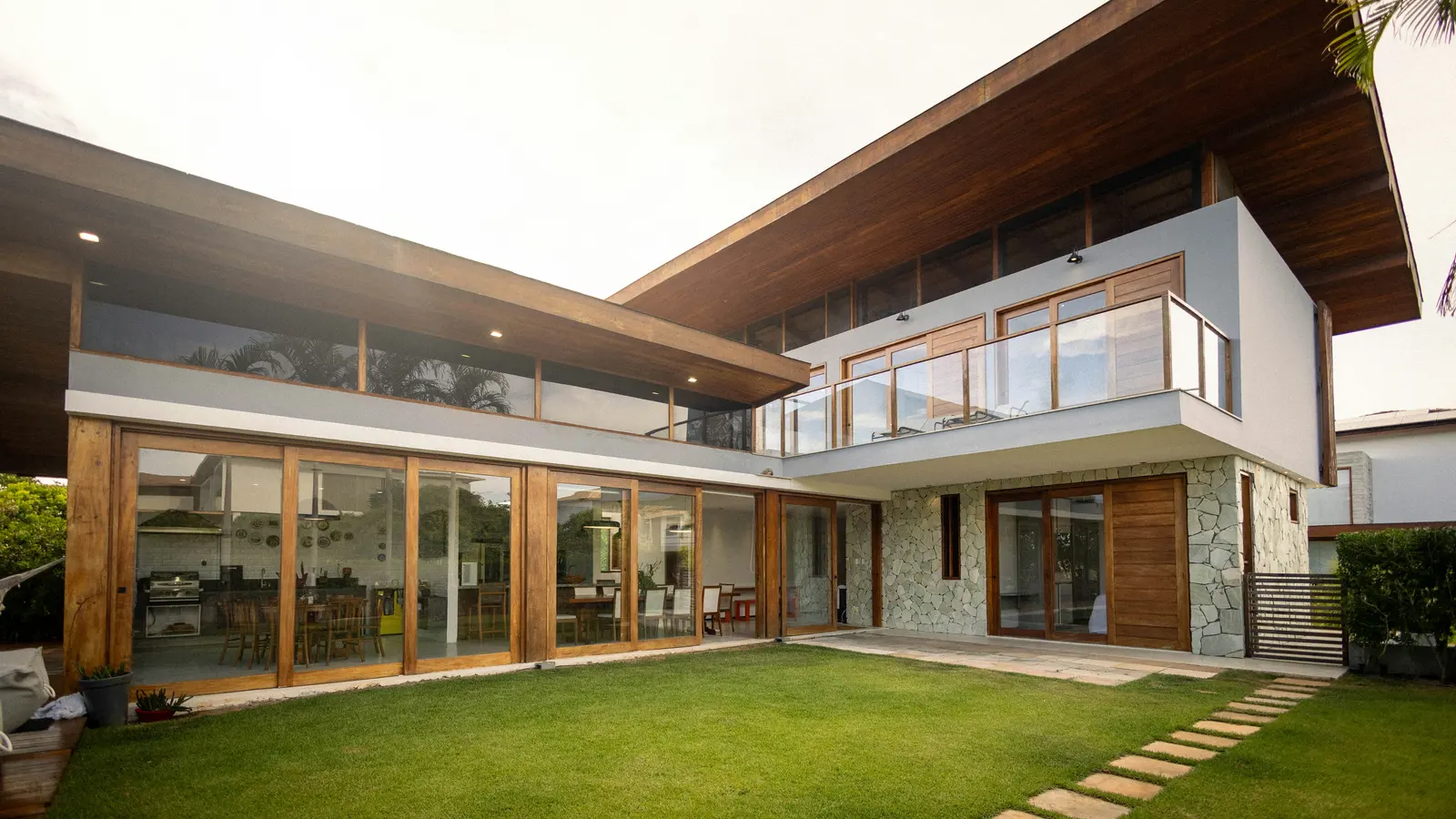
After 2020, buying decisions are not just driven by location and budget. Now, space has become non-negotiable. Builders in West Delhi have made it possible for quality vertical developments, as well as independent floors, to emerge over the years.
Buyers are no longer just asking “How big is the house?” but rather they consider factors such as the comfort of being able to work from home, the privacy the space allows them, and if they have access to open or semi-open areas
Recent times have led to a shift; a growing preference is seen for larger layouts, flexible spaces, and low-density environments. In fact, this shift is reflected in a demand for spacious formats like duplexes and larger homes, which has surged especially among families seeking long-term comfort.
The idea of “just enough space” has been replaced by “space that adapts to life.”
2. Work-From-Home Is No Longer Temporary
Housing priorities are being reshaped by remote and hybrid work models. What began as a necessity has now become a lifestyle.
Modern homebuyers are actively looking for spaces that don’t just function as four walls but instead include dedicated workspaces or study rooms, sound insulation mechanisms to ensure privacy, and the ability to provide excellent living experiences so as to support long hours indoors.
Homes have become multi-functional ecosystems. They now don’t just serve as places to unwind. This has led to an increasingly blurred line between residential and functional ecosystems.
As a result, properties that offer flexibility in design and usage are gaining a clear edge in the market.
3. A Strong Shift Toward Premium and Lifestyle Living
Premium housing has been a rising trend post-pandemic. This trend is not one that has a stagnant identity, but one that evolves and changes with time. Homes that feel naturally comfortable to be in are not just shaped by luxury interiors but by systems that work in real time, quietly.
Buyers now want to invest in a better lifestyle, not just a house. This is reflected in:
- Increased demand for luxury and high-value homes
- A growing focus on comfort, wellness, and exclusivity
- Preference for properties that offer long-term value over short-term affordability
Homes costing above ₹1 crore have now started accounting for a significant share of residential sales in major Indian cities, and this highlights a clear shift in buyer mindset.
The new-age buyer is ready to invest in how they want to live every day, and not just in purchasing property.
4. Privacy Is the New Luxury
The pandemic has made one thing abundantly clear: privacy matters. It no longer remains a choice of what and when, but has rather become the defining feature of a space that sells. The comfort of having one’s moments to oneself is what the modern homebuyer looks for.
High-density living, shared walls, and crowded common areas began to feel restrictive. In response, buyers started prioritising fewer shared spaces, independent access and entry, and homes that offer a sense of personal ownership and control. While amenities such as play areas, swimming pools, and clubhouses feel nice for a while, after a time, the absence of areas that offer private downtime and leisure starts to weigh on residents.
Reshaping what “luxury” means has now started to rely on the growing desire for privacy. The definition has changed from just being about amenities to independence, quiet, and having control over your environment.
5. Wellness-Centric Living Is Here to Stay
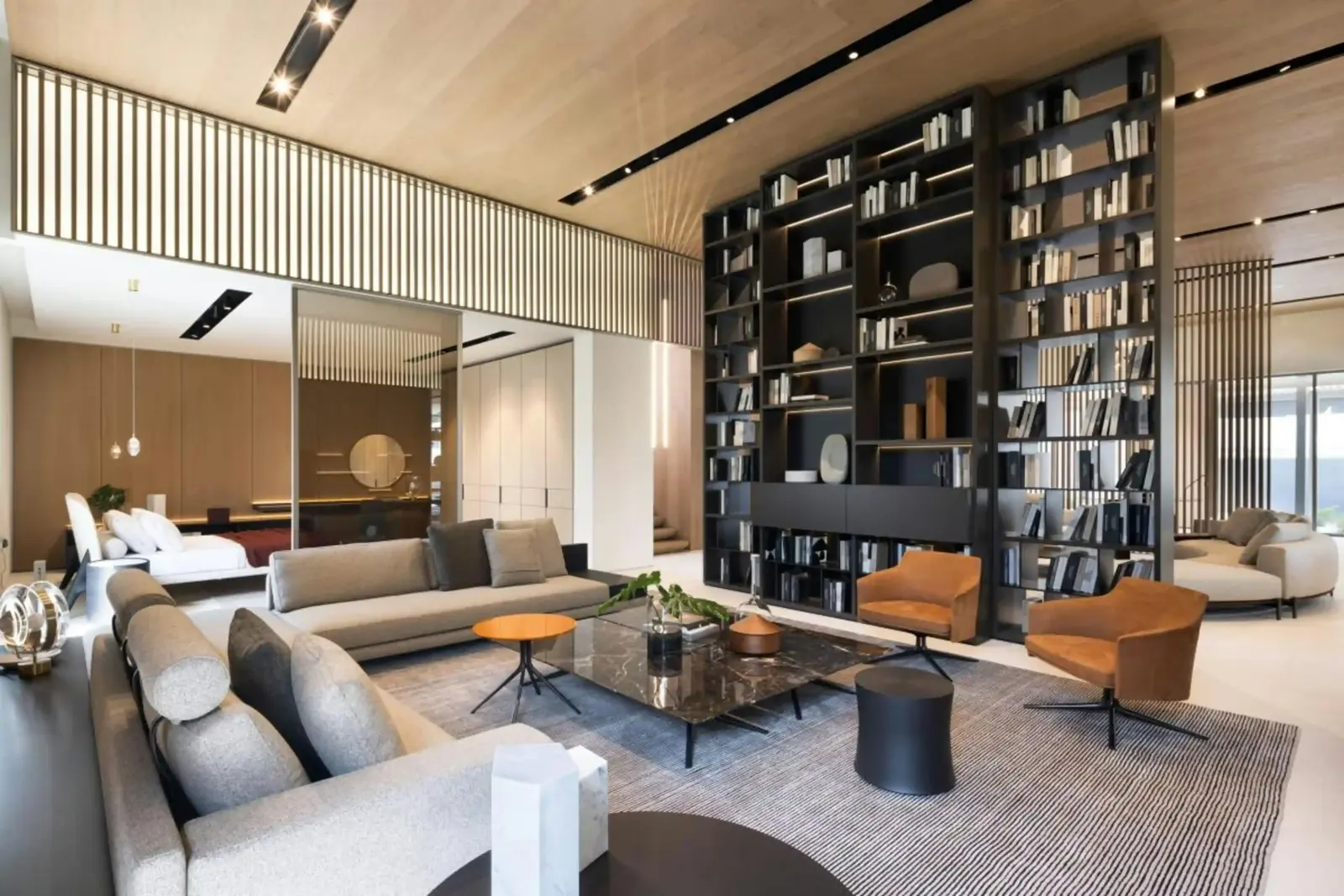
We see a transition in matters of health and well-being. From being a choice to becoming an essential decision-making factor, it has come a long way.
Post-pandemic homebuyers are actively looking for:
- Natural light and ventilation
- Access to balconies, terraces, or green spaces
- Homes that support mental and physical well-being.
Builders who practice modern residential design are increasingly incorporating wellness-driven features, from open layouts to nature-integrated spaces.
Because today, a home isn’t just where you live—it’s where you recharge
6. Technology and Smart Homes Are Becoming Standard
The pandemic accelerated digital adoption across industries—and real estate is no exception.
Buyers now expect smart security systems, automated lighting and climate control, etc. Seamless digital integration within homes has now become a necessity rather than an if. What was earlier expected to be only available in luxurious high-rise penthouses and villas has now become the reality of modern homes
Nowadays, technology doesn’t demand a big chunk of your money. Developers are increasingly striving towards the adoption of technology in homes to make everyday life easy and effortless. Technology no longer consists of bulky hardware and complex systems but of sleek, modern systems that cater to design sensibilities while seamlessly blending in with the environment of one’s home.
Smart living has now become a necessity, especially among urban and premium buyers. What was once considered “luxury tech” has now become a baseline expectation.
Technology is no longer an add-on—it’s part of the core living experience.
7. A More Conscious and Selective Buyer
Perhaps the most important shift is not physical—it’s psychological.
Today’s buyer is:
- More research-driven
- More value-conscious
- Less impulsive
Developers are now expected to deliver thoughtful, future-ready living solutions, and not just sell homes. West Delhi has emerged as a key area of expansion. Developers in West Delhi now build quality independent floors, and White Flower Developers have established themselves as a trusted name in the industry and area.
The market entered a more balanced and selective phase, powered by a strong post-pandemic boom. Now buyers prioritise long-term value over quick decisions.
8. The Move Toward Low-Density and Independent Living
All these trends—space, privacy, flexibility, wellness—are converging toward one clear preference:
Low-density, independent living formats.
Buyers are increasingly drawn to homes that offer:
- More control over their space
- Fewer shared constraints
- A stronger sense of ownership
This isn’t just a trend—it’s a natural evolution of urban living.
Conclusion: A Permanent Shift, Not a Passing Phase
The pandemic didn’t just change what we value in a home—it changed why we value it.
Today, a home is no longer just a financial investment. It functions as a workspace, a sanctuary, and reflects one’s lifestyle and aspirations all at once.
And as these expectations continue to evolve, one thing is clear: the future of housing lies in thoughtful design, personal space, and meaningful living experiences.
Because in the end, people aren’t just looking for houses anymore—they’re looking for homes that truly fit their lives.
 ".
".
