How Climate Change is Reshaping Real Estate in Indian Cities
There was a time when buying property in India felt easy, led by basic priorities like neighbourhood reputation, school catchments, and commute times. This simplicity is eroding as climate change gradually but clearly permeates everyday housing decisions in Indian cities, altering investors’ perceptions of risk and consumers’ priorities. The ground beneath the property market is actually altered by seasonally flooded streets, summers that test human endurance, and civic institutions collapsing due to decades of unplanned expansion.
Homebuyers, developers, and urban planners are being forced to adopt the mainstream investment perspective of climate change in real estate, which was previously only discussed by environmentalists.
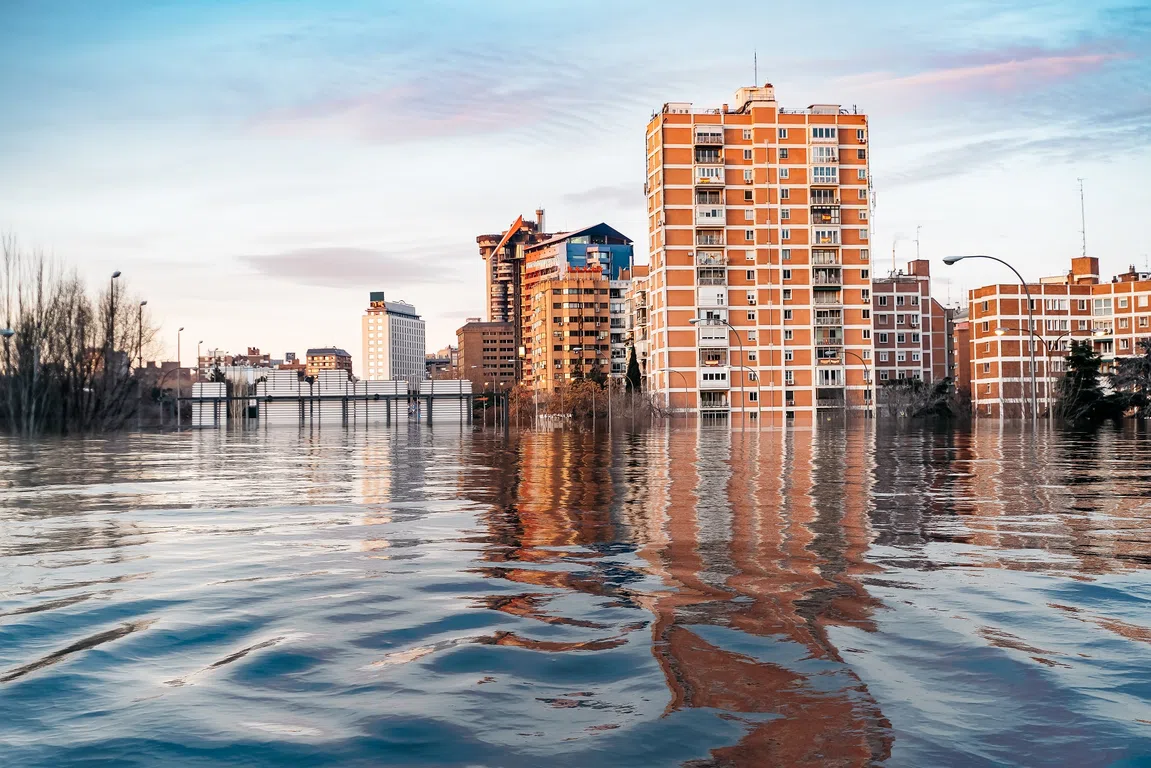
How Climate Change is Affecting Real Estate
Anyone who has watched basement floods three times a day during the monsoon, or seen an electricity bill treble over a single summer, understands instinctively what the data is beginning to prove. According to 99acres, flood-prone homes tend to be appreciated more slowly than better-drained places.
- Rising metropolitan temperatures sometimes surpass 45℃ in places like Ahmedabad, Nagpur, and Delhi, increasing cooling expenses and imposing significant seasonal demand on electrical networks.
- Low-lying neighbourhoods in Mumbai, Chennai, and Kolkata continue to be highly impacted by flood-risk properties in India, where ongoing monsoon damage gradually reduces ownership returns.
- Buyers are being drawn to outlying areas that provide cleaner, less crowded living due to declining air quality.
- Serious investors can no longer afford to ignore the financial layers being added by rising insurance prices in climate-vulnerable zones.
Impact of Climate Change on Property Demand
Buyers across India are making decisions now that their parents never had to consider, silently weighing in tree cover, drainage quality, and wind corridors alongside bedroom counts and carpet space. According to Housing.com, searches for greener, low-d ensity communities have accelerated, signalling a dramatic transition in the perception of an ideal home.
Sustainable urban development is gaining traction as integrated townships with planted buffers and water management systems generate substantially increased buyer interest.
Cross-ventilation and reflective roofing are examples of heat-resistant home features that are becoming more and more common among discriminating purchasers.
The demand for smart cities in real estate is growing as more homebuyers become aware of and anticipate future-ready communities that guarantee dependable infrastructure and lower long-term living costs.
Affordable housing segments find it difficult to stay up with the adoption of climate resilience, which is turning into a luxury differentiator.
Flood and Heat Risk Zones in Indian Cities
Purchasing real estate in an Indian city today without considering climate risk is similar to picking a neighbourhood without considering the commute. It eventually comes up with you and is typically quite expensive.
Flood risk property in India is particularly obvious in Mumbai, where affected areas, including some premium constructions that do not possess green certifications, have decreased value potential over time.
Highly populated neighbourhoods experience temperatures that are significantly higher than those in greener, more breathable areas due to the heat island effect in Delhi, Pune, and Hyderabad.
Coastal towns like Chennai and Kochi confront compounding sea level dangers, making elevation and drainage quality characteristics that no knowledgeable buyer can afford to neglect.
Water scarcity is subtly but persistently impairing liveability in many Bengaluru and Pune micro-markets.
Rise of Smart & Resilient Housing
The most promising change in India’s real estate market is that sustainability is now physically built in from the ground up rather than being added as an afterthought.
- Green building certifications, such as IGBC and GRIHA, are becoming increasingly popular. Projects that have earned these certifications have increased resale values demonstrably higher buyer trust.
- Solar energy and water recycling are subtly transitioning from aspirational features to everyday necessity in future-ready houses throughout tier-I cities.
- Smart cooling solutions with ventilation and thermally responsive architecture actually make urban living more tolerable as temperatures rise.
- Fly ash bricks and other sustainable materials are reducing their negative effects on the environment as well as maintenance costs that can surprise owners years later.
- Buyers who want their home to function as intelligently as they do are becoming more and more receptive to tech-enabled smart homes.
Future City Planning & Urban Development
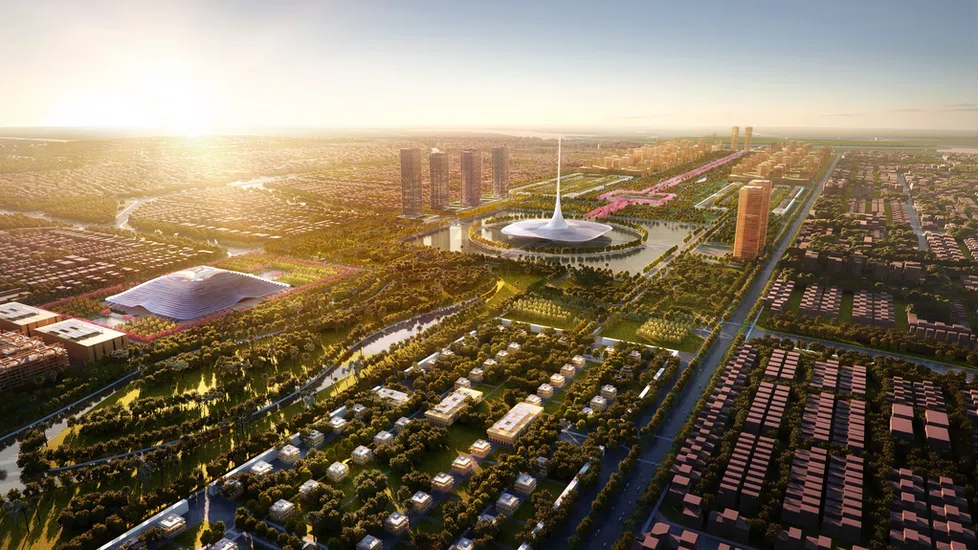
India’s cities are slowly but definitely beginning to plan for the environment they are inheriting rather than the one they grew up in, and that shift is starting to show up in policy, infrastructure, and master plans.
Investors are starting to realize that climate-conscious urban planning directly boosts long-term property prices as India’s sustainable cities develop under the Smart Cities Mission.
Transit-oriented development is discreetly reducing the sprawl that makes cities more difficult to connect and cool by bringing housing and business closer to effective transportation corridors.
Urban forests are increasingly being incorporated into master plans as planners realize that trees perform infrastructural functions that concrete just cannot.
Government rules pertaining to energy efficiency and green building compliance are becoming more stringent, encouraging developers to use building techniques that future generations will truly appreciate.
Summing Up
The Indian cities built over the next 10 years will either age gracefully or crumble under the already-existing and intensifying effects of climate change. Climate change in real estate is not a warning, but rather a compass for investors and purchasers who are paying close attention, pointing to smart, well-planned sustainably constructed communities as the most practical choices for a prosperous future.

