Biophilic Architecture Concept in Urban Homes
A home created in the middle of nature is a dream come true for everyone. Here, one can truly experience the freshness of nature and breathe freely stepping onto the balcony. A peaceful environment can improve a family’s quality of life. Today’s healthy living residential projects in Ramesh Nagar have undergone a significant transformation that defines their relationship with nature. The concept of biophilic design has completely changed what it means to live. These structures encourage a peaceful, healthy state of being similar to being in nature.
Let’s explore these kinds of structures more thoroughly. Once you go through it, you will understand what sustainable development truly means.
What is Biophilic Architecture?
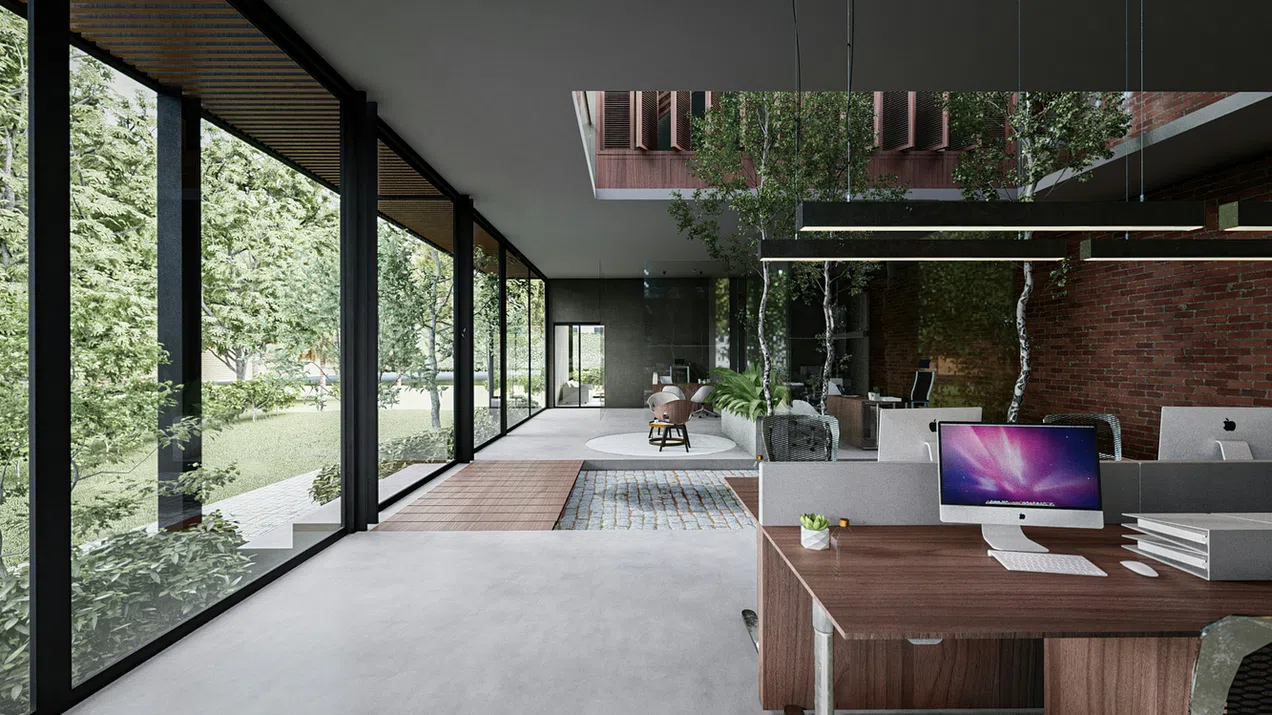
A design idea known as “biophilic architecture” aims to construct structures and areas that foster human connection to the natural world. It combines natural elements, materials, and light in order to enhance both the sustainability of the built environment and the well-being of inhabitants. The notion originated from the innate bond between nature and humans. Additionally, the integration of natural components into the design enhances overall quality of life, happiness, and good health.
Benefits of Biophilic Architecture in Urban Homes
It’s simple to feel cut off from nature in our fast-paced, concrete jungle. However, there is a special connection that has developed between humans and the natural world. Biophilic architecture, which aims to incorporate the outdoors into the built world, has recognized and redefined this link.
1. Improved Air Quality
Indoor air quality is a major concern in contemporary structures. Air-purifying plants are included into the biophilic architecture ideas to provide natural ventilation. This lessens the need for energy-intensive mechanical ventilation systems while also improving the quality of the air we breathe.
2. increased connection with natures
Fostering a closer relationship with the environment is one of the only tenets that form the basis of biophilic design. Developers assist locals in re-establishing a connection with nature by constructing buildings with features like huge windows overlooking landscapes, green walls, and natural materials. Locals develop an appreciation for nature, which serves as a reminder of their duty to the environment.
3. Enhanced Physical Health
Homes with biophilic architecture have a significant influence on both our physical and mental well-being. For example, exposure to natural light enhances sleep cycles. And not just that! Being near green areas and the natural world encourages you to move more than sitting still all day.

4. Enhances Mind Restoration and Productivity
When our minds are given a therapeutic perspective that calms and soothes us, they perform at their peak, leaving us in a feeling of utter happiness. A room with a few plants, natural lighting, and other naturalistic features makes the day more pleasant and tranquil than one that is disorganized and chaotic. All you have to do is lay back and enjoy these views to take in the grandeur of the natural world.
Studies have demonstrated that integrating direct or indirect elements of nature into urban homes can improve self-reported levels of well-being, productivity, and creativity while lowering stress, blood pressure, and heart rates. This increases the motivation for building owners and operators to ensure that working conditions are favourable for this.
5. Increase in Property Value
Biophilic design elements are typically associated with greater property values for homes. It is a worthwhile investment for both homeowners and biophilic flat developers in West Delhi because people are prepared to pay more for environments that provide the many advantages of biophilia.
6. Better Energy Efficiency
Biophilic architecture can be energy-efficient when carefully planned. Energy usage can be decreased by using techniques like passive solar architecture, which maximises natural light and heat. Green walls and roofs help insulate the house and lower the need for heating and cooling.
Application of the Biophilic Concept in India
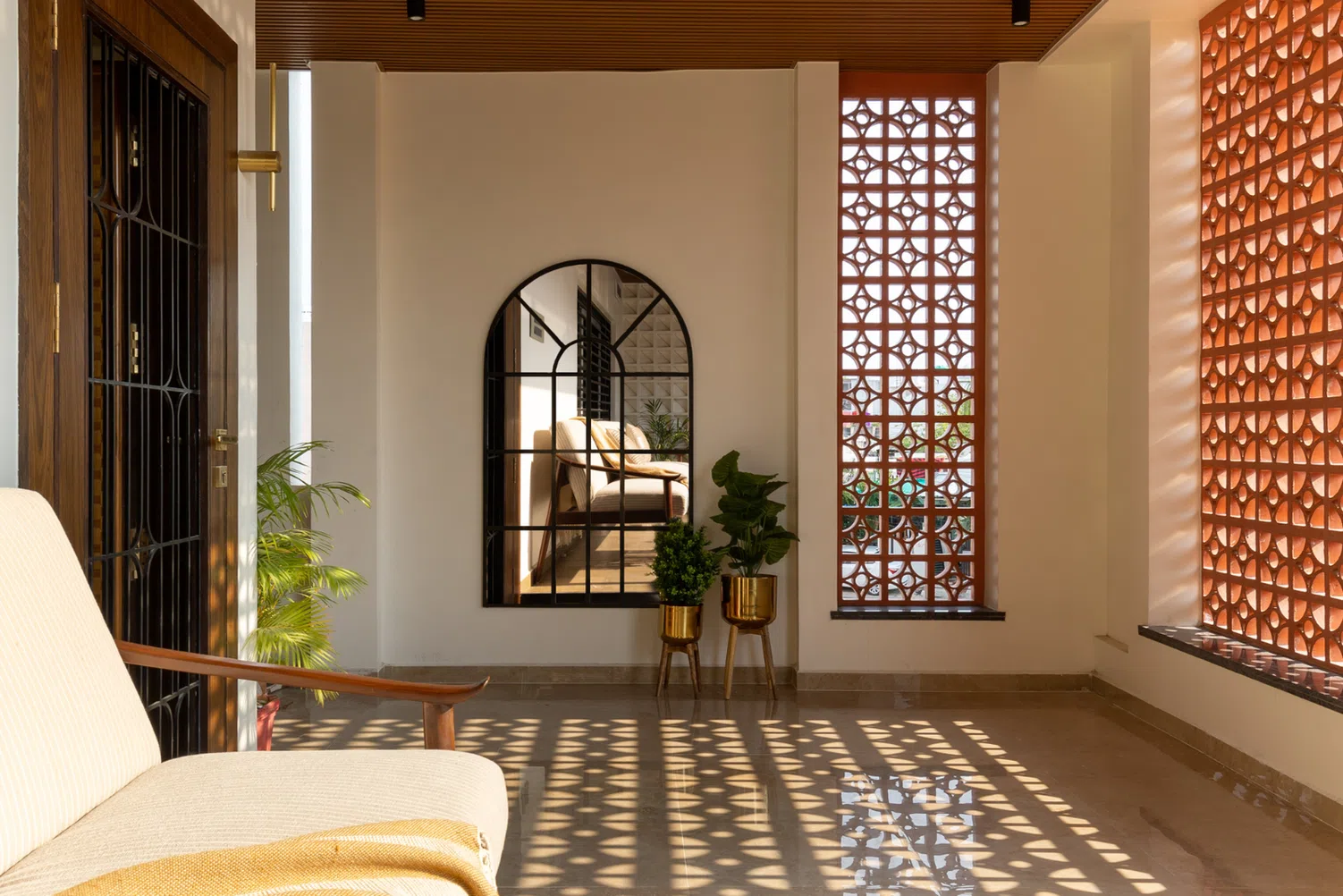
Indian architecture has long recognized this relationship. Traditional courtyards allowed air and light to enter. Step wells offered refreshing areas for socialising. Breezes were maintained while strong sunlight was filtered by jali screens.
Contemporary applications expand upon these ideas. Living walls help in cities with poor air quality. Delhi’s summers are made cooler by rooftop gardens. Local materials like bamboo and sandstone link residents to local landscapes while maintaining sustainability in building.
Water features that are modelled after traditional designs offer sound absorption and cooling. Native plants benefit local wildlife while requiring less water and upkeep. Strategic shading preserves natural light while lowering energy expenses.
Conclusion
Biophilic architecture provides a significant answer to the problems associated with urban living by re-establishing people’s connection to nature via careful design. It improves productivity, energy efficiency, mental health, and physical health by incorporating natural light, ventilation, greenery, and sustainable materials. This strategy makes the eco-friendly floor in Kirti Nagar healthier, cosier, and more ecologically conscious as cities grow, improving urban areas’ liveability and encouraging a greater respect for the natural world and long-term sustainability.

